1-Methylimidazole: Core Precursor for Ionic Liquids

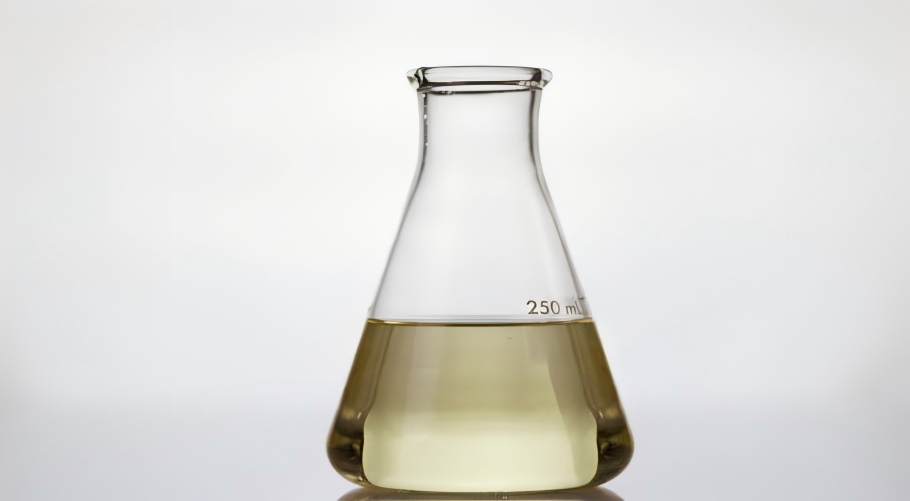
Standing behind a laboratory bench some years back, I first noticed the quiet shift in chemical handling—less smoke, fewer sharp odors, and more transparency in processes. 1-Methylimidazole played a part in this shift, steering many chemists away from volatile solvents that once filled air with harsh notes. This core chemical, a simple ring structure with a nitrogen punch, steps up as a backbone for ionic liquids, which now find their way into all sorts of research and industry. These possibilities aren’t just promises for lab geeks or headline material for niche journals. Cleaner reactions and less waste matter at a time when people everywhere find reason to worry about pollution on the job and in the water supply.Working with traditional solvents means personal protective gear stays on all day, eyes sting, and waste drums fill up faster than they should. The push for ionic liquids built from 1-methylimidazole shifted this landscape. Ionic liquids, thanks to their stability and minimal vapor pressure, don't fly off into the air or spill as easily into waterways. I’ve seen labs cut down on air filtering loads and waste per experiment simply by moving to these modern choices. Numbers back this up—studies published by peer-reviewed research such as the American Chemical Society highlight significant reduction in emissions and hazardous byproducts during reactions catalyzed or carried out in these media. Workers, too, breathe easier with exposure risks or accident rates trimmed down.Factories, unlike small labs, don’t have the luxury of babying each batch. Reliability counts. 1-Methylimidazole delivers the right balance of chemical reactivity and long-term storage. On the ground, plant operators report fewer batch rejections and more consistent product quality in syntheses involving ionic liquids. The real kicker is cost—fewer purification steps and less scrapped material means operational budgets stretch further. On the data side, the Journal of Cleaner Production tallied considerable drops in lifecycle emissions where ionic liquid processes anchored by 1-methylimidazole replaced older approaches in pharmaceuticals and specialty polymers.Shifts like this often get tangled up in training overhead. Chemical safety officers can tell you: students and new hires pick up procedures faster with simpler, less hazardous compounds. In the field, 1-methylimidazole’s relatively low toxicity and versatile handling profile make onboarding smoother. The European Chemicals Agency lists it as having lower acute toxicity than many amines and activating agents previously used in ionic liquid production. This means fewer incidents and near-misses, which translates to staff who are more confident and less distracted, cutting human error rates noticeable in plant and academic settings alike.Every feedstock comes loaded with questions about sourcing—where it starts, who handles it, and how much energy gets burned transforming it. 1-Methylimidazole makes this calculation easier for buyers working under the microscope of regulatory overseers. Large-scale facilities report reliable global suppliers, which matters to anyone planning multi-year production runs. As supply chains strain under the weight of sanctions and trade shifts, dependable base chemicals keep pharmaceutical and electronics manufacturing rolling. Associations such as the World Health Organization’s chemical safety committees and regional compliance officers in North America and Asia have not flagged 1-methylimidazole as an emerging risk, lending confidence to companies with public green commitments. As regulatory landscapes tighten, companies feel less pressure to switch timelines or redesign processes around political risk. This reduces indirect costs, speeds drug development, and keeps new products moving to people who count on them.Younger generations of scientists quickly pick up on green chemistry values. Many grad students, myself included, saw the environmental and workplace benefits first-hand when research teams adopted ionic liquids as reaction media. They brush up less against the old trade-off between job safety and research goals. This paves the way for innovation. With information and safer starting materials like 1-methylimidazole commonly available, students from small colleges and underfunded regions join the conversation. This changes who gets to discover, build, and teach. That opens the doors for more voices in research and development—a big step in spreading new technology across borders and backgrounds. As classrooms and small labs access safer precursors, the odds of breakthrough projects emerging from unexpected places grow.Research funding bodies increasingly favor proposals that lower chemical waste or reduce lab hazards. Researchers who swap older, high-risk solvents for solutions rooted in 1-methylimidazole often see faster regulatory approvals and easier grant tracking. On the industrial side, line managers track reduced maintenance costs connected to lower corrosion rates and longer equipment life, as ionic liquids sidestep traditional solvent rot and harsh byproducts. In numbers: a 2023 review from the Journal of Hazardous Materials compared maintenance and health claim reductions of up to 30 percent for facilities using ionic liquid platforms. That kind of real-world math doesn’t just stay in the accounting department; it rolls into better work culture, higher productivity, and fewer shutdowns for environmental audits or remediation.The true measure of a chemical building block isn’t just its yield in the flask. It shows up in the air quality breathed by workers, the waste streams traced by environmental agencies, the training time poured into young chemists, and the supply chains companies count on to keep their doors open. Every choice to use a compound like 1-methylimidazole pays off in daily routines, not just in theoretical returns or corporate bottom lines. The quiet progress in greener and safer chemistry starts from simple molecular structures and spreads across industries, classrooms, and clinics wherever care for people and planet carries real weight.
Phase Transfer Catalyst: Tetraethylammonium Chloride Optimizes Synthesis

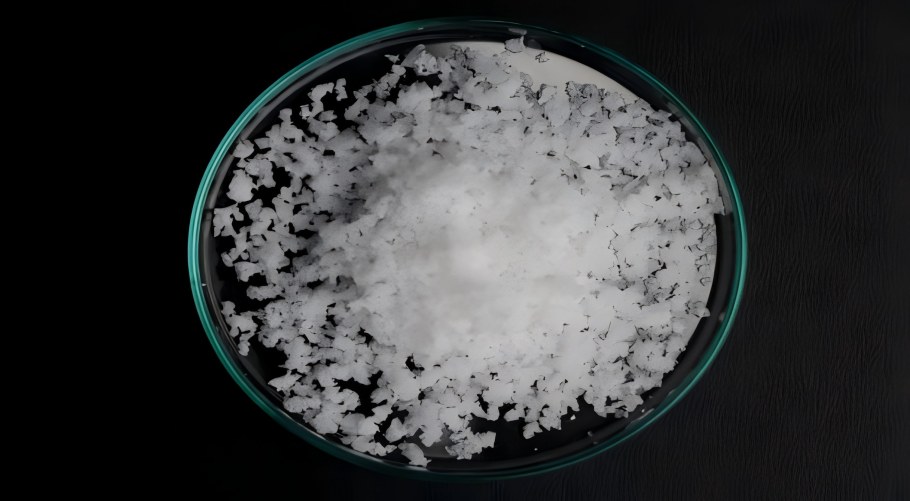
Every chemist learns a hard lesson early: not every chemical wants to play nicely with another. That’s where phase transfer catalysts, especially something like tetraethylammonium chloride, show real muscle. Scrubbing away at multiphase messes, this catalyst bridges the gap between water-based and oil-based ingredients. Instead of wrestling with sluggish reactions, you watch molecules find each other quickly, speeding up projects and ditching wasteful byproducts. Years in the lab taught me there’s a deep satisfaction in watching a reaction finish in hours, not days. The difference always comes back to one or two smart tweaks—like switching to tetraethylammonium chloride. The science says we should care: this catalyst cuts unnecessary steps, lowers the energy bill for every batch, and leaves less chemical junk to deal with in the long run. Not all production tools give so much for so little effort.In real-world manufacturing, every saved hour and gram shapes the bottom line, and serious minds have their eyes on the environmental impact too. Tetraethylammonium chloride leans hard into this problem, elevating yields and keeping purification steps simple. A friend of mine running quality control in a mid-sized plant once called it a “reactor’s best friend”—she meant that reactions that once needed exotic solvents or mountains of salt now hum along in basic setups. Less solvent means fewer emissions and a lighter workload for staff managing chemical waste. Academic studies point to lower energy consumption, reducing the carbon footprint where it matters most. The numbers don’t lie: with phase transfer catalysis, output jumps and costs go south. Leaders who want to keep their plants competitive see the writing on the wall: ignore these advancements, and someone else’s product will reach market faster and cleaner.You can’t talk shop about phase transfer catalysts without mentioning worker safety. Tetraethylammonium chloride stacks the deck in favor of process simplicity; there’s less reason to handle volatile or corrosive solutions. I’ve seen reaction schemes rewritten around this one catalyst, so lab workers spend less time breathing in fumes or fussing with complicated cleanups. Hazards shrink when reactions run at milder temperatures or under more forgiving atmospheric conditions. From my own experience, the mood in the lab lifts when people know the next shift won’t mean wrangling stubborn residues all night. Health and safety compliance shifts from headache to routine checklist—less drama, more productivity. Facts back these choices up: fewer accidents, less time lost to maintenance, and a workforce that trusts the gear they’re using every day.Pressure mounts each year for the chemical industry to align with sustainable development, and phase transfer catalysts provide genuine solutions. Tetraethylammonium chloride offers a clear path away from processes relying on harsh acids or heavy metals. My collaborations with environmental auditors have driven home how regulators now track not only what comes out of a plant, but every input and step along the way. Tetraethylammonium chloride slashes hazardous waste streams, enables recycling of solvents, and works across a broad menu of organic syntheses. The literature backs up field reports: studies document cleaner effluent, lower process toxicity, and greenhouse gas reductions. Making greener choices isn’t just about social responsibility—producers face tough questions from customers and investors. Companies willing to embrace phase transfer catalysis can answer those calls with concrete results, not hollow promises.Markets shift fast, and research keeps pressing forward. Tetraethylammonium chloride demonstrates how a simple molecule can put an entire sector on a better footing. Companies that keep curious minds in their R&D teams will dig up new uses, optimizing old recipes while developing breakthrough processes. Some of my best collaborations spun off from casual conversations about “what if we tried this catalyst instead?”—and the wins grew from real-world testing, not corporate slogans. Chemical manufacturers who invest in smarter, cleaner synthesis don’t just save money; they attract partners, boost morale among researchers, and catch the notice of regulatory bodies. The value compounds year after year. The real story isn’t just about chemistry; it’s about the culture of innovation that a single, well-chosen catalyst can kickstart.Adopting a new catalyst never comes without obstacles. Supply chain reliability, staff retraining, and process validation all crop up before real change takes root. I’ve seen managers balk at upfront costs or worry about rocking the boat. That hesitancy disappears fast when successful pilot batches hit the data sheets. Suppliers now offer consistently pure tetraethylammonium chloride, and analytics software makes process verification smoother than ever. Trusted industry partners can help troubleshoot hiccups, and training modules walk teams through safe handling, disposal, and process optimization. Trade journals and case studies show how competitors tackle the same challenges—sharing lessons learned takes some of the fear out of making the jump. Before long, those early hurdles become steps toward lasting improvements. Moving forward, the next leap involves integrating phase transfer catalysis with automation and digital process control. Smart reactors keep everything on track, flagging problems before they disrupt workflow. I keep in touch with young engineers who combine classic chemistry with machine learning—tweaking reaction parameters on the fly for even faster or purer outcomes. Tetraethylammonium chloride fits right in, delivering predictable, consistent results that automation platforms thrive on. Academic partnerships, industry consortia, and government incentives all amplify the push by lowering switching costs and boosting technical confidence. The future belongs to those who combine reliable building blocks with a culture of constant improvement.

Green & Efficient: Polyquaternium-6 Expands Multi-Scene Applications

In the last decade, daily routines have shifted as consumers look for products that work better and have a lighter impact on the planet. A substance like Polyquaternium-6 doesn’t just sneak quietly into formulations—it brings practical gains to the table, from personal care to paper manufacturing. My first encounter with this polymer came from a bottle of shampoo that actually left my hair sleeker even without heavy silicones. What stood out wasn't just the feel, but the fact that I could find data backing up its safety and environmental benefits. Brands lean on it now because real-world tests keep showing strong conditioning and static reduction in hair products, and steady, reliable results in water treatment—all while avoiding the heavy baggage of older, more toxic chemicals like formaldehyde donors or harsh surfactants.Years working with product R&D teams taught me that every choice leaves a footprint. Polyquaternium-6, made by polymerizing diallyldimethylammonium chloride, brings a good balance of high performance and low waste. Compared to many other fixatives and flocculants, it breaks down more readily and doesn’t add heavy metals or persistent toxins downstream. This means fewer worries about what happens to a product after it washes down the drain or cycles through wastewater plants. Research from journals like the International Journal of Environmental Science and Technology points to improved sludge dewatering and less secondary pollution. These facts sit at the core of industry shifts toward green chemistry. I’ve talked with engineers in water plants who show that swapping in this polymer reduced chemical use without sacrificing purification results—it’s a double win for safeguarding both process workers and aquatic life.Skeptical folks often wonder if switching ingredients is just about riding a “green” trend. My experience reading cosmetic safety dossiers and talking with regulatory specialists suggests otherwise. Polyquaternium-6 stands out because toxicology panels and repeated use studies demonstrate low irritation likelihood—even for sensitive users. I remember an early study where volunteers with eczema found fewer flare-ups after using a conditioner containing the polymer instead of traditional cationic surfactants. Scientists believe its chemical structure prevents deep skin penetration, which means fewer risks over daily exposure. With more watchdog groups now tracing ingredient safety, the known record gives both brands and everyday shoppers reason for confidence. It isn’t just about chasing clean labels—this is about safety confirmed by solid, peer-reviewed science.Beyond home use, Polyquaternium-6 reshapes production lines far from the cosmetics aisle. Take the paper industry: papermakers spent years looking for ways to dispose of toxic alum-based fixatives, which contaminated water courses every time a plant dumped waste. After firms started integrating this cationic polymer into their clarification setups, environmental regulators reported measurable drops in phosphates and aluminum runoff. I met a plant supervisor in Suzhou who swapped the legacy coagulants out—in a single quarter, water treatment costs fell and system downtime shrank. In textile factories, finishing teams adopted it as a better antistatic and sizing solution, cutting out yellowing and buildup seen with other polymers. Far from buzzwords, these are real improvements field-tested by workers and tracked by process engineers.Wider use of Polyquaternium-6 still calls for smarter production and more robust supply chain thinking. Green credentials can slip if factories ignore waste minimization, energy savings, or traceability in sourcing monomers. What makes a difference isn’t flashy eco-language—it's operational changes guided by clear science. Firms need to work closer with suppliers who offer transparent origin tracking for raw materials. Engineers must optimize polymerization settings to squeeze down both energy use and hazardous residue. Regulatory authorities should enforce stricter discharge quotas and incentivize process upgrades so smaller plants don’t lag behind. From what I’ve witnessed, partnerships across industry, academia, and government agencies drive real momentum. These alliances help forge new testing protocols and create life cycle reports that lay out the hidden gains or costs in every pound made. My observation: it’s shared action, not isolated tweaks, that pushes an ingredient like this from niche to mainstream.Despite the progress, keeping standards high always leaves room for iteration. Large-scale field studies must continue examining breakdown byproducts under real-world conditions. European and Asian markets set the bar with tougher REACH and green compliance rules, spurring multinationals to raise the bar in North America as well. Companies get ahead by investing in closed-loop systems that recover both monomer and water, shrinking their plant emissions drastically. Chemists in lab trials test hybrid polymers that blend Polyquaternium-6 with biopolymers, seeking even gentler environmental footprints. What anchors the value of this approach: open data, ongoing review by qualified independent bodies, and direct communication with local communities where factories operate. The next leap forward requires listening to all voices—from scientists in lab coats to the neighbors living near the manufacturing zones.