An In-Depth Commentary on Didecyldimethylammonium Chloride: History, Science, and Applications
Tracing the Rise: Historical Path of Didecyldimethylammonium Chloride
Didecyldimethylammonium chloride didn’t simply arrive as a star performer among quaternary ammonium compounds. Scientists started looking deeper into quats around the 1930s, searching for disinfectants that outclassed old standbys like phenol, especially as cities swelled and healthcare saw more demand for reliable sanitation. This particular compound began to gain traction in the decades that followed, beating out many contenders with its ability to both kill a broad range of bacteria and keep surfaces safe for longer periods compared to its earlier cousins. Hospitals, schools, and food-processing plants found a reliable helper in it by the late 20th century, especially when combined with the modern boom in pre-mixed disinfectant formulations.
Product Overview Gets Practical
Most cleaning professionals and chemical handlers recognize didecyldimethylammonium chloride as a go-to product for wiping down high-traffic surfaces, sanitizing HVAC systems, and treating water in cooling towers. It comes as a colorless to pale yellow liquid with a faint ammonia-like smell. I’ve seen this stuff working in the background just about everywhere, from the wipes used in dentists’ offices to the solutions mixed in animal barns after an outbreak. Industries depend on its straightforward approach: blend it with water or other surfactants, and surfaces stay free of bacteria, fungi, and some viruses.
Physical & Chemical Properties Matter on the Job
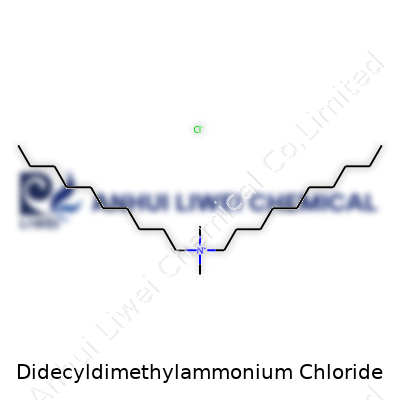
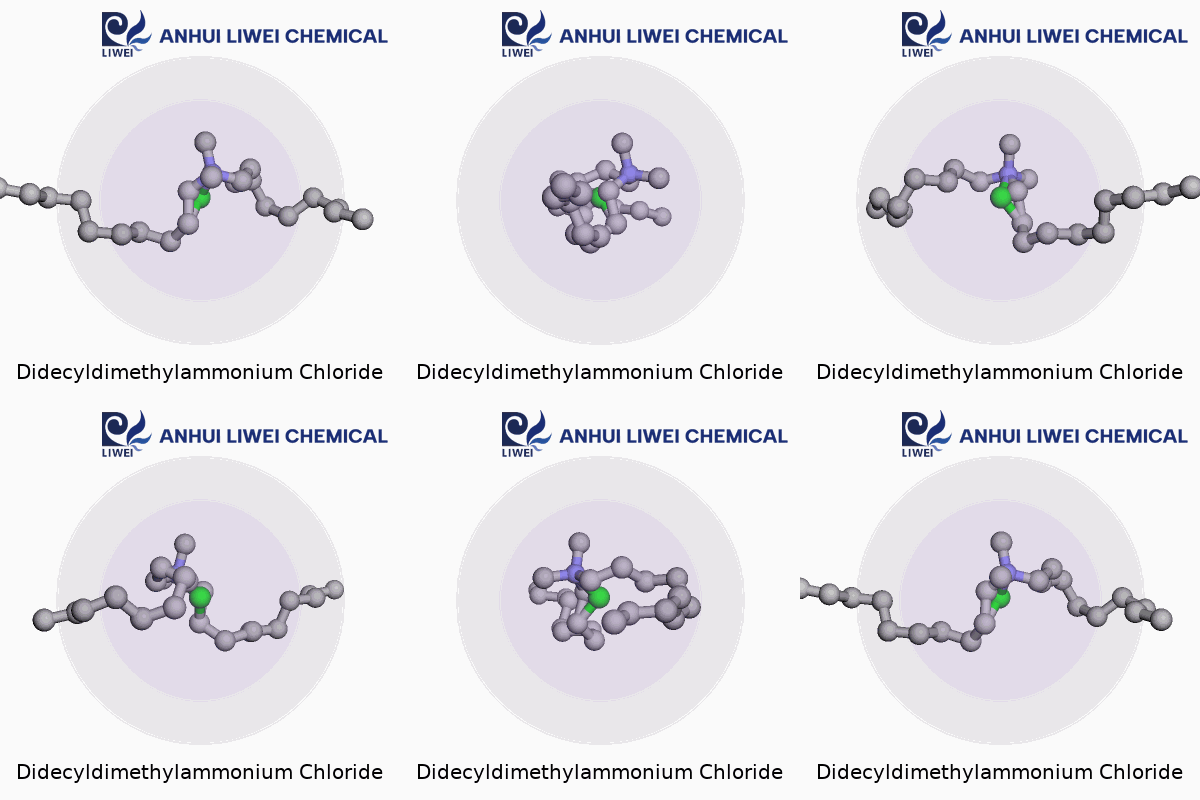
We’re talking about a compound that blends two decyl (ten-carbon) chains onto an ammonium core. The result? Improved fat solubility compared to older quats, boosting its action on oily, grimy, or organic-heavy surfaces. Didecyldimethylammonium chloride dissolves readily in water, and—unlike bleach—keeps pH levels fairly gentle, reducing the risk of equipment corrosion. Its chemical stability under light and heat means facilities can store it without fuss. The cationic nature lets it bind directly to cell membranes, resulting in swift, broad-spectrum kill of pathogens and disrupting biofilms that otherwise cling onto industrial pipes and tanks.
A Look at Technical Specs & Labeling in Practice
Concentration in commercial bottles usually ranges from 50% active ingredient for professional-use products down to 1–3% in ready-to-go sprays. Any chemical handler glancing at the label will spot clear hazard warnings, first-aid statements, and directions for dilution, reflecting both OSHA and EPA strictness. It makes me respect how much effort manufacturers put into balancing cleaning strength with personal safety: you can bet the label flags risks like skin, eye, and respiratory irritation, as well as the need for gloves and proper ventilation. In North America and Europe, every container displays batch codes, expiry dates, and recognized safety logos to help both janitors and industrial buyers avoid accidental misuse.
Preparation Method: Behind the Scenes Chemistry
The industrial route generally reacts decyl dimethyl amine with methyl chloride, then quaternizes that product with more alkylating agent until the full quaternary ammonium salt forms. Factories pay close attention to reaction temperature and byproduct removal, since impurities can trigger unwanted residues or cut the antimicrobial punch. Over time, process refinements have shifted to solvents with lower volatility and greener profiles, both to shrink environmental impact and to limit workers’ exposure to hazardous vapors. Reliable filtration and drying steps after reaction ensure the final liquid stays clear, shelf-stable, and safe to handle.
Chemical Reactions & Modifications: Where Function Follows Structure
Modifying the length or branching of the alkyl chains alters both antimicrobial performance and environmental persistence. Companies tweak the basic recipe to fit target microbes or use cases, sometimes compounding didecyldimethylammonium chloride with other quats for synergy. Some research teams have tried swapping different halide anions (like bromide for chloride), but cost and supply issues keep the main product anchored to chloride. This compound doesn’t play well with anionic surfactants, so formulators avoid mixing it with soaps or detergents that might neutralize its microbe-killing ability.
Synonyms & Product Names on the Market
Veterans in janitorial supply call it DDAC, DDAC C10, or simply “quat 203.” Suppliers and catalogs list a string of other names: Didecyl dimethyl ammonium chloride, Didcide, Quaternium-45, Bardac 22. You find all sorts of trade names tailored to sectors like food processing, water treatment, or hospitality. In some regions, the Material Safety Data Sheet refers to it by Chemical Abstracts Service (CAS) number, which hammers home the need for clear documentation across global borders.
Safety & Operational Standards: Lessons Learned in the Field
Decades spent using quats in medical cleaning and food processing hammered home strict safety playbooks. Workers get trained from the first day—gloves, goggles, frequent hand-washing, prepping solutions in ventilated areas. Spills require fast cleanup, as the concentrate can irritate skin or mucous membranes. Employers set up eyewash stations and keep Safety Data Sheets handy. The EPA, ECHA, and other regulators push for routine review of permitted concentrations, reminding users to avoid over-application or improper mixing. In real-world settings, safety culture really counts; mishandling a drum or failing to dilute product can lead to sick time or lost productivity.
Wide-Reaching Application Areas
Hospitals, vet clinics, gyms, public restrooms, and even cruise ships lean on DDAC solutions for quick surface or floor disinfection. Livestock farmers rely on its power after disease outbreaks, scrubbing down stalls and equipment. Many HVAC teams use it in cooling tower water to stop Legionella. In my experience watching facility managers pick sanitation tools, versatility makes all the difference. The compound resists deactivation by hard water, works at room temperature, and even delivers some deodorizing benefit in smelly spaces. Food preparation areas use it as a non-rinse sanitizer, boosting daily cleaning routines in restaurants and cafeterias.
Research & Development Continues to Push the Envelope
Academic and industrial labs still comb through data looking for improvements: studies test DDAC against emerging antibiotic-resistant microbes, track its degradation in soil and water, and pursue ways to recover residues from wastewater. Some teams dig deeper into its modes of action, eyeing tweaks to boost virus-killing abilities without hiking toxicity. There’s ongoing interest in blending quats with other disinfectants—peracetic acid, hydrogen peroxide, or essential oils—hoping to squeeze out broader germicidal ranges while meeting tighter safety laws. Safety data improves every year, supported by ongoing surveillance of health care and food industry workers exposed to the compound.
Toxicity Research Makes Product Use Smarter
Scientists and regulators monitor didecyldimethylammonium chloride for its impact on both people and ecosystems. Direct skin exposure can cause itching or even dermatitis, and inhaling high levels damages airways. Toxicologists linger over its potential to build up downstream in rivers—multiple studies track breakdown products and risks to aquatic invertebrates. In agriculture, researchers test how much residue stays on food after equipment fogging or immersion, and national governments set residue limits for animal products to protect consumers. All of these results filter back to policy, tweaking allowed concentrations, or even restricting certain uses in favor of newer, safer variants.
Future Prospects: Facing Ups and Downs
There is pressure to keep DDAC in the rotation as disease threats shift and cleaning standards tighten. I’ve noticed a push from buyers and regulators for “greener” quats—those that break down faster outside and that reduce the risk of antimicrobial resistance. High-profile outbreaks drive out-of-cycle product reviews, with research cycling rapidly between improved efficacy, safer handling, and lighter environmental baggage. The big hope lies in smarter chemistry—molecular tweaks for lower toxicity, paired with strong action against biofilm and hospital-acquired pathogens. Digital compliance tools, RFID-tagged drums, and automated dispensing will help avoid worker error. Bright minds in surface science, green chemistry, and infection control plan to keep this old standby relevant, safer, and more adaptable for decades to come.
Real-World Uses and Impact
Walk through any hospital, gym, or food processing plant and you’ll find cleaning staff reaching for products loaded with didecyldimethylammonium chloride. In short, this chemical stands out as a powerful disinfectant. You can find it listed on bottle labels at home improvement stores, sitting on the same shelves as bleach and ammonia solutions. My own experience cleaning up after a large family get-together drove home how much we rely on disinfectants to keep germs at bay, especially during cold and flu season. For businesses, cutting corners on hygiene just isn’t an option.
Didecyldimethylammonium chloride belongs to a group called quaternary ammonium compounds, or “quats.” It breaks down the cell walls of bacteria and disrupts the protein layer that viruses hide behind. Whether it’s E. coli on a countertop or the flu virus on a doorknob, this compound knocks them out fast. In the middle of the COVID-19 pandemic, products with this stuff practically flew off the shelves. Government agencies, including the Environmental Protection Agency in the United States, recognized it as effective against coronavirus and added it to lists of approved disinfectants.
Everyday Safety Questions
Even though it works well, didecyldimethylammonium chloride comes with trade-offs. The same chemical action that destroys microbes can give people headaches, skin rashes, or breathing problems if isn't handled right. Years ago, I once tried to clear a clogged drain with excessive commercial cleaner—didn't end well. I learned quickly to wear gloves and open windows. Workers who mop floors day after day face these risks all the time and need good training and equipment. The Centers for Disease Control reminds companies that prolonged skin exposure or inhaling fumes could make health problems worse.
The conversation doesn’t stop at personal safety. Wastewater plants have to filter this compound out before releasing water back into rivers and streams. In high concentrations, didecyldimethylammonium chloride does more than kill germs—it can harm aquatic life and throw off balances in local ecosystems. When someone pours leftovers down the drain or when hospitals wash out used supplies, those chemicals don’t simply vanish. Real harm can build up over years if proper systems aren't in place.
What We Can Do Better
People working in healthcare, schools, restaurants, or building maintenance benefit from clear, simple safety guidelines. Employers must offer the right gloves, masks, and ventilation so that workers breathe easier and keep their hands clear. Public health groups such as OSHA and the World Health Organization recommend rotating disinfectant brands and giving staff a chance to report symptoms before they become a big deal. I’ve seen small steps—switching to low-residue formulas or mixing up cleaning routines—make the difference between a healthy, motivated team and one that’s stretched thin by constant coughs and itchy eyes.
Better labeling on cleaning products also matters. Most people could tell bleach by smell alone, but fewer recognize what quats can do to skin over time. Truthful, easy-to-read labels keep parents, kids, and workers safer. Regulatory agencies keep raising the bar, especially as studies show how chemicals travel from floors to waterways to wildlife. As more people care about what goes down the drain, companies work harder to develop formulas that clean without causing unwanted fallout far from home.
Didecyldimethylammonium chloride shows up in wipes, sprays, and concentrate jugs for a reason—it does what it’s designed to do, and it does it quickly. Still, this convenience brings health and environmental responsibility right to our doorsteps. We should keep our eyes not only on the cleanup, but also on the bigger picture beyond our kitchen counters.
What Is Didecyldimethylammonium Chloride?
Didecyldimethylammonium chloride, known as DDAC, pops up often on disinfectant sprays, cleaning wipes, and surface sanitizers. Hospitals, schools, and workplaces use it to kill germs, including some tough viruses and bacteria. At home, products with DDAC promise protection against surfaces that get touched throughout the day.
How DDAC Works and Why It Matters
DDAC breaks down the cell membranes of microorganisms, which wipes out bacteria and keeps viruses from spreading. Its reliability attracts companies that need to guarantee clean conditions, especially in medical and food-processing settings. Families thinking about effective surface disinfectants may run into DDAC listed right beside bleach or alcohol.
Known Risks for People
Despite being a potent germ-killer, DDAC does not come without warnings. Getting it on your skin or in your eyes can cause irritation — sometimes even burns, rashes, or redness, especially after repeated use. My own experience cleaning gym equipment taught me that skipping gloves leads to dry, uncomfortable skin. Inhaling mist or fumes from a DDAC-based spray can trigger coughing, headaches, or, in some folks, trouble breathing. Kids and people with allergies or asthma seem especially sensitive.
Research shows that most household products contain low concentrations considered safe if used as directed — but not everyone follows instructions. Mixing products, leaving wet surfaces, or spraying in poorly ventilated rooms can increase the risk. The European Chemicals Agency, CDC, and EPA all stress wearing gloves, airing out rooms, and keeping sprays away from food or eating surfaces unless labels say it’s safe.
What About Pets?
Cats and dogs walk on floors, lick paws, and sometimes nibble dropped food right off recently cleaned counters. That puts pets at higher risk than humans who only touch surfaces. Poison control centers field calls from pet owners worried about chemicals like DDAC. Ingesting traces by licking treated surfaces or swallowing cleaning wipes can cause drooling, vomiting, or worse, in both cats and dogs. Cats seem more sensitive, possibly because they groom more. Vets recommend letting surfaces dry completely, and storing cleaning supplies where pets cannot reach.
Fact-Checking the Benefits Against Precautions
Disinfectants like DDAC definitely lower the odds of catching something contagious, which matters in hospitals, childcare, and food prep kitchens. During cold and flu season, or an outbreak, the germ-killing power proves valuable. A study published by the National Institutes of Health found that DDAC kills most surface bacteria and viruses within minutes, but this benefit comes with caveats about skin safety and inhalation.
Tips For Safer Use
- Read product instructions — don’t improvise or assume more is better.
- Wear gloves and wash hands after cleaning.
- Rinse pet bowls, toys, and food areas well after using cleaners.
- Let treated surfaces dry before letting kids or pets touch them.
- Store products out of reach of children and animals.
Learning which products contain DDAC, and respecting both label guidance and personal limits, gives the best shot at staying both safe and healthy.
Everyday Safety and Why Ratios Matter
Didecyldimethylammonium chloride, a name you don’t hear outside of janitorial supply lists and hospital cleaning protocols, takes its job seriously as a disinfectant. No one wants to lean on a product that half-handles bacteria and viruses. At the same time, splashing around too heavy a mix of cleaner in a school lunchroom or a nursing home creates headaches—from skin irritation to environmental fallout. Getting the dilution just right makes a huge difference.
Recommended ratios come straight from the science: most commercial products suggest 1:256 or 1:128 (that’s half an ounce or one ounce per gallon of water) for general surface cleaning. Heavier contamination, like a bodily fluid spill in a clinic, often bumps it up to 1:64. In labs, I’ve seen the label break down as one part chemical to every 63 parts water—never more than what the surface requires.
When people move away from those guidelines, they run into real trouble. Doctors and public health professionals say over-concentration can leave behind residue that triggers rashes or can warp plastics. Under-diluting wastes money and sometimes ends up producing a harsh smell that makes students or workers complain. I remember a school where the floors felt sticky for weeks after staff ignored the correct dilution and poured it straight from the jug. Parents kept calling about allergies, and custodians lost faith in their cleaning gear.
Respect for Process: Health and Legal Accountability
Dilution ratios aren’t just about shiny floors or germ counts. They’ve got backing from the Environmental Protection Agency, which approves specific uses and spell out safe mixes. If regulators show up for a surprise check, or if an outbreak happens in a facility, records and adherence protect organizations from serious fines and lawsuits.
Experience shows that confusion often starts with poor labeling. I’ve worked in places where supply closets overflow with half-empty jugs—no instructions, just faded marker scrawls. Staff end up guessing. It helps to insist on clear signage and periodic retraining in housekeeping routines. Supervisors who take time to walk through the steps, measuring devices in hand, don’t just keep people safe; they build a team that trusts the science and each other.
Environmental Costs and Smarter Choices
Bleach alternatives like didecyldimethylammonium chloride look attractive for their low corrosiveness, but they still carry environmental weight. Overuse rinses into waterways, and some studies show buildup can mess with aquatic organisms. Relying on the minimum effective dose—never eyeballing it, but measuring it out—reduces downstream problems.
Nobody expects janitors, nurses, or kitchen staff to memorize dilution ratios. Wall charts, labeled squeeze bottles, and color-coded systems spare everyone the trouble. In our facility, we switched to pre-portioned packs years ago; that wiped out a lot of waste and confusion. It cut down complaints about odors, and allergy incidents dropped off, too. Accurate dilution does more than protect health; it saves money, trust, and peace of mind.
Red Flags and Fixes
If you see a workplace where the disinfectant comes out gloppy or sharp-smelling, or if complaints about irritation rise, don’t blame bad chemistry. Check how staff mixes the chemical. Management backing up with regular training, clear procedural stickers, and product transparency helps everyone stay out of trouble. Healthy spaces and confident workers always start with respect—for the science, for procedures, and for every person who cleans, tends, or visits the space.
Getting Clear on What This Disinfectant Really Does
Every few months, stories about new viral threats or rising infection rates fill up the news and people start to look closely at the labels on their cleaning products. One name often crops up: didecyldimethylammonium chloride, often shortened to DDAC. For anyone who works in schools, hospitals, restaurants, or any place responsible for public hygiene, this stuff matters. So what can it really handle, especially with viruses and bacteria?
How DDAC Works Against Germs
Quaternary ammonium compounds, including DDAC, have been used for decades. They poke holes in the protective outer layers of bacteria and viruses. Once that barrier is gone, the rest of the cell or viral particle stops working, breaks down, and can’t multiply or infect. DDAC pulls no punches against many bacteria, including some nasty ones like Staphylococcus aureus and Escherichia coli. This compound features heavily in the arsenal of disinfectants found in medical settings and on regular household wipes for good reason.
Viruses are a different beast. Some have a fatty coating—an envelope—that didecyldimethylammonium chloride cuts right through. SARS-CoV-2, the virus behind COVID-19, falls into this category. That made DDAC-based disinfectants a favorite in homes and businesses during pandemic surges. On the other hand, the rougher, non-enveloped viruses like norovirus often don’t bow out as easily, making them tougher to kill with most quats, including DDAC. The Environmental Protection Agency keeps a close watch on these claims and provides lists of disinfectants proven on certain types of germs.
Supporting Evidence
A 2021 review in Applied Microbiology lays it out: DDAC drops bacterial populations by several orders of magnitude within minutes on nonporous surfaces. Hospital studies back this up, linking quat-based cleaning routines with lower rates of infections like MRSA and VRE. The World Health Organization and CDC recommend these disinfectants for many routine jobs, except for special situations where you know a hard-to-kill bug is lurking.
Virucidal claims rely heavily on lab tests. According to data in American Journal of Infection Control, DDAC in concentrations between 0.5% and 2% knocks out coronaviruses and influenza. In the real world, cleaning crews need to leave it wet on surfaces for the contact time on the label—usually 5-10 minutes—to get the results promised in the lab.
Safe and Smart Use Matters
Anyone who works with DDAC, myself included, knows skin gets dry and there’s a subtle, lingering smell after a big cleaning. Common sense plays a role here. Keep it off food surfaces, wear gloves, and air the place out a bit. Overusing or misusing DDAC, like spraying and immediately wiping, cuts down effectiveness and invites new problems with bacteria adapting over time. Some countries restrict quats’ use around young children.
Better Hygiene Starts with Thoughtful Choices
Disinfectants never replace soap, water, and elbow grease. DDAC does have a place in the toolkit, especially for quick response in high-risk zones, but it works best as part of a wider plan including training, regular cleaning, and careful attention to manufacturer advice. There’s also room for improvement: manufacturers could design even clearer instructions to steer people away from shortcuts that make surfaces look clean but leave germs hiding. That’s just as important as what’s inside the bottle.
What Makes Didecyldimethylammonium Chloride Worth Careful Attention
Didecyldimethylammonium chloride, often found in cleaning and disinfecting products, packs a strong punch in killing germs. Plenty of people rely on its power in hospitals, schools, and food processing facilities. Still, this chemical doesn't mix well with sloppy handling or poor storage, because it brings real risks for workers and the environment alike. My work with facility management teams has taught me that a slip here can add up to expensive mistakes or worse, injuries.
Safe Places, Safe People
Every storage area for this compound needs solid ventilation. This reduces toxic fumes that would otherwise concentrate in the air. I’ve heard stories from maintenance staff who learned this lesson the hard way, developing coughs and headaches after someone pushed drums of concentrated solution into an unventilated maintenance closet. A fan or open-air shelf might not seem like high-tech safety, but it makes all the difference.
Didecyldimethylammonium chloride should stay out of sunlight and heat, because warmth can break it down and change how it behaves chemically. Something as simple as storing drums in a shaded warehouse or behind an insulated wall keeps things stable. Materials used to build shelves and containers also matter. Most plastics and lined metal work well here, while bare metals like aluminum or iron react and spark off trouble. No one wants to clean up a corroded shelf or, worse, face an unexpected chemical leak.
Personal Protection Builds Trust on Teams
Nobody gets used to a harsh chemical smell that hangs in the air, and didecyldimethylammonium chloride fumes irritate skin, eyes, and lungs. Gloves—nitrile or neoprene, not latex—keep hands clean during prep and mixing. Anyone opening containers or transferring solutions needs goggles and, if splashing seems likely, a face shield does a better job than regular eyewear. I’ve seen the difference firsthand, watching a colleague rinse off a minor splash—because he wore all his gear, a scary moment turned minor.
Changes in how shops and custodial departments train people really pay off. For example, color-coded labels showing hazard levels cut confusion for new workers who might grab a bottle without knowing the risk. Spill kits anchored near storage areas help, too. A quick scoop of absorbent and a clear written plan spare a team from scrambling in panic.
Dealing with Spills and Waste: Respect in Action
If a spill happens, dry absorbent, not water, usually does the best job of damping down the chemical and making cleanup easier. Pouring leftover or expired product down drains can ruin city water treatment plants and local rivers. Most states now hold businesses to real standards—waste goes into sealed drums, and a licensed service picks it up. Responsible companies earn trust from both regulators and neighbors.
A Culture Shift, Not Just Compliance
It takes more than signs and checklists to stay safe with this chemical. I’ve found that everything goes smoother when leaders ask for worker feedback and treat safety steps as something everyone shapes together. People spot risks sooner and feel confident bringing up fresh concerns. Didecyldimethylammonium chloride works hard disinfecting spaces, but it demands equal care from everyone who stores and handles it.