Octyldecyldimethylammonium Chloride: Shaping the Future of Quaternary Ammonium Compounds
Historical Development
Not so long ago, the story of modern disinfectants and surfactants found new energy when quaternary ammonium compounds came onto the scene. Chemists first isolated these alkylammonium salts around the turn of the 20th century, and by the 1950s, industry started to recognize their power. Before the popularization of specialized agents like octyldecyldimethylammonium chloride, hospitals and households relied on phenols and bleach, both of which come with their own hazards and limitations. As infection control ramped up across public health sectors, folks realized that certain “quats” delivered broad microbe-killing action with lower skin and material damage.
Product Overview
Octyldecyldimethylammonium chloride belongs to the quaternary ammonium family. What sets this chemical apart rests in its dual long-chain structure. Manufacturers like this insight because it means the ingredient disrupts microbial membranes more effectively than shorter-chain cousins, and keeps showing solid cleaning and antistatic properties. In the cosmetics, agriculture, and water treatment businesses, formulators call on this compound for practical, day-to-day hygiene, odor control, and product stability, instead of reaching for tricks or fads that carry unnecessary baggage.
Physical & Chemical Properties
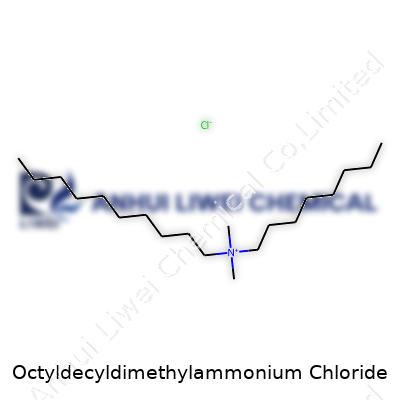
In the warehouse or laboratory, octyldecyldimethylammonium chloride sits as a white or yellowish powder, sometimes as a thick paste, depending on how pure the batch. Soluble in water, this compound produces milky solutions at room temperature. With a molecular weight at about 362 grams per mole and a melting point close to 65 degrees Celsius, workers store it away from light and heat, since overexposure wears down its quality. The structure, a nitrogen atom bonded to two short methyl groups and two long alkyl chains, proves why it blends so well within both oil and water systems.
Technical Specifications & Labeling
Commercial shipments of octyldecyldimethylammonium chloride require tight standardization. Labels mention the exact percentage of active ingredient, typical impurities, moisture content, and pH of a one-percent solution. Most reputable suppliers publish a certificate of analysis for every batch, outlining limits for heavy metals, peroxide residue, and any hazardous solvents left over from manufacture. End-users in regulated markets check for compliance with local statutes, which include purity not less than 98 percent, and transparent details on recommended storage and shelf life. Labels highlight whether the product meets food-grade or pharmaceutical specifications, as careless formulation can ruin expensive end products or, worse yet, pose health risks.
Preparation Method
Production usually begins with dimethylamine and a long-chain alkyl halide, like octyldecyl chloride. Experts run these reactants together under controlled heat in an organic solvent, adjusting ratios based on desired purity. The process forms the quaternary salt, separating it by washing, crystallization, and sometimes vacuum drying. Even tiny errors in pressure, temperature, or ratio leave behind unreacted amines or unwanted byproducts. Skilled chemists taste success by achieving consistent yields, free from nitrosamine contaminants or foul odors that can plague amateur setups.
Chemical Reactions & Modifications
Octyldecyldimethylammonium chloride stays stable under most neutral and mildly acidic conditions, but starts to hydrolyze in strong alkaline solutions. It pairs with a wide range of surfactants and thickeners, letting manufacturers tailor antimicrobial blends for surfaces, skin, or industrial equipment. Some researchers go a step farther, modifying the alkyl chain or the halide to boost compatibility with biodegradable formulations. In the lab, this chemical reacts with silver nitrate to form insoluble silver halides, a common test for purity. Mixing with anionic surfactants, though, risks inactivation by precipitation, which has driven product designers to keep it shelved away from soaps based on carboxylates or sulfates.
Synonyms & Product Names
Those who shop around for chemical supplies soon learn that octyldecyldimethylammonium chloride goes by a grab-bag of names. Some catalogs list it as DDAC (didecyldimethylammonium chloride), though that usually refers to a mixture of C8 and C10 chains. Others call it Quaternium-18 or Quaternium-20, following the INCI system for cosmetic ingredients. On safety data sheets, you may see “N,N-dimethyloctyldecylammonium chloride” or its CAS number 32426-11-2. This makes clarity crucial for buyers who want consistency across orders. Some brands stamp out product lines with fancy trade names for botanically derived versions or improved odor masking, too.
Safety & Operational Standards
Working with octyldecyldimethylammonium chloride means respecting both people and the environment. Direct contact with concentrated forms can trigger skin and eye irritation, so experienced handlers reach for gloves, goggles, and ventilation. Washing up with soap and water after each shift keeps adverse reactions to a minimum. Laboratory findings show that accidental ingestion leads to gastrointestinal upset and, in rare cases, liver or kidney problems. On the operational side, it pays to mix and store this chemical away from food or surface cleaners not marked as compatible, and never down the drain, where it could harm beneficial bacteria in water treatment facilities. Workplace safety teams often recommend secondary containment for bulk drums, along with regular hazard reviews and first aid drills.
Application Area
Most folks who use octyldecyldimethylammonium chloride daily do so in the fight against germs, especially in healthcare, hospitality, and food processing. Hospitals favor its use in disinfectant wipes and sprays, citing broad-spectrum action against bacteria, some viruses, and fungi. Water treatment plants add it to purification steps for controlling algal slime and scaling. In household and institutional laundry, it works as an antistatic and fabric conditioner. Process engineers rely on its surfactant properties to boost emulsion stability in industrial cleaners and personal care products. Modern agriculture has latched on as well, taking advantage of its growth-promoting effects and mild pest control characteristics for certain crops.
Research & Development
Research into octyldecyldimethylammonium chloride keeps uncovering new possibilities for both commercial and medical use. Recent studies aimed at controlling the spread of healthcare-associated infections lean heavily on this compound’s ability to break down viral envelopes. Scientists have been tweaking its side chains to cut down irritancy while sustaining the killing power needed for high-touch surfaces. Universities are collaborating with industry to investigate improved processes for synthesis using greener starting materials, in part because demand from both the private and public sector has not let up. On the analytical front, methods for rapid detection of residues on equipment and in the environment carry increasing weight for companies striving to show responsibility and compliance.
Toxicity Research
No discussion about quaternary ammonium compounds skips over toxicity. Researchers track acute and chronic effects not just for workers, but for fish, plants, and beneficial soil bacteria. Early animal studies link high doses to eye and skin irritation, and some longer-term data draw links to respiratory sensitization in heavily exposed workers. As communities and governments pay closer attention to water quality and persistent organic pollutants, scientists conduct more sophisticated tracing of its breakdown products in rivers and lakes. Regulators respond by adjusting permissible levels in finished formulations and urging the adoption of safer manufacturing techniques. Responsible producers regularly invest in third-party testing and public disclosure, as lessons from past chemical missteps prove that transparency and continuous improvement matter more than ever.
Future Prospects
Looking ahead, the future for octyldecyldimethylammonium chloride likely rests on balancing performance with environmental responsibility. As pressure mounts from eco-conscious buyers, companies shift their research toward more biodegradable versions and concentrate on lowering the total chemical load without giving up on cleanliness or microbiological safety. Advancements in nanotechnology and targeted delivery could help sharpen action at the microbe level, lessening the burdens on aquatic ecosystems. Progress will rely not just on chemists, but on open conversation among regulators, innovators, and the everyday folks whose jobs depend on effective, safe sanitation. The lessons drawn from the last hundred years show that incremental changes, open data, and attention to community needs lift both science and society.
A Closer Look at a Strong Cleaning Ingredient
In every grocery store, you find long aisles packed with cleaners—some promise to scrub floors to a shine, others claim hospital-grade protection. Take a closer look at their labels and sometimes you spot a long, technical name: Octyldecyldimethylammonium chloride. The name might sound intimidating, but the role it plays deserves attention, especially when cleanliness and safety keep making headlines.
Everyday Use and Hospital Settings
Most people don’t think twice about the chemicals behind disinfectant wipes or sprays. Quaternary ammonium compounds, often called “quats,” do a lot of the heavy lifting—Octyldecyldimethylammonium chloride counts among them. You’ll find it on lists of ingredients for products meant to kill bacteria and viruses on hard surfaces. Over the years, hospitals, schools, and public spaces leaned heavily on quats for their well-documented power to stop germs. During the pandemic, many cleaning routines changed gear. Demand for effective disinfectants went up, and so did the reliance on compounds like this one. The CDC and EPA recognize its use, finding it effective against a broad range of pathogens when used at proper concentrations.
Why Choose Quats?
Many companies choose this ingredient for good reason. Unlike bleach, quats don’t usually have that overpowering smell or the potential to damage surfaces with every use. The lack of corrosion means they work well for places packed with electronics or sensitive equipment—think medical clinics, gyms, fitness studios, and schools. For those running a small daycare or a hair salon, quats bring peace of mind without having to worry about upholstery or hardware breaks. The EPA lists quaternary ammonium-based disinfectants as effective against a broad spectrum of bacteria and many viruses, which keeps these products in regular rotation across different industries.
Safety and Environmental Questions
It isn’t just about killing germs. Over the years, researchers and advocacy groups raised concerns about possible health and environmental effects tied to frequent use of quats. People with asthma or sensitive skin sometimes report irritation after contact with these cleaning agents. If disinfectants aren’t rinsed away, they can linger on surfaces or wind up in drains. Studies keep looking at the potential for microbial resistance when germs get exposed too often to the same types of compounds.
Better Use, Smarter Cleaning
Effective cleaning should never trade safety for results. Reading product labels and following instructions gets overlooked, yet it’s the simplest way to make sure cleaners do their job without bringing unwanted side effects into homes or workplaces. For people worried about overexposure, rotating disinfectants or using milder soaps for routine cleaning makes sense. Facilities staff in schools, clinics, and gyms joined new workshops or training, learning which chemicals match which jobs. Consumers now ask more questions and some companies responded with clearer documentation, safety data, and alternatives—especially in places with vulnerable groups.
Moving Ahead with Caution
My own experience in public buildings and small businesses shows most people want to strike a balance between being thorough and keeping everyone safe. Keeping up with the facts and listening to scientific guidance led to new habits and safer results. Even as new disinfectants hit the market, Octyldecyldimethylammonium chloride stays on the front lines, but awareness about its smart, careful use seems more important than ever.
Most Folks Don’t Hear About This Ingredient
Octyldecyldimethylammonium chloride shows up in more cleaning sprays and disinfectant wipes than most people realize. On the label, it hides among words most folks can’t pronounce. I started looking into it after cleaning up muddy dog prints and worrying about chemicals left on the floor. My dog licks everything. I know I’m not the only one who’s wondered if my cleaning habits put my dog at risk.
What Science Says About Household Use
Lots of disinfectants use this compound, usually grouped under “quats” or quaternary ammonium compounds. The Environmental Protection Agency (EPA) registers quats as pesticides, which doesn’t mean they’re banned. EPA certification signals that, when used correctly, these ingredients don’t pose an unreasonable risk for daily household use. Knowing the EPA weighed in helps, though they only consider exposures that follow label directions.
Direct, undiluted exposure leads to problems. According to the National Institutes of Health, concentrations strong enough to kill germs can irritate skin, burn eyes, and trigger asthma attacks. Chemicals in this group aren’t very friendly to lungs when sprayed into the air. The CDC notes that wipes and sprays containing these quats have sent kids and adults to urgent care for rashes, sneezing fits, and even chemical burns.
What Happens Around Pets
Pets experience the world very differently from us. Dogs can lick up residue left behind after wiping floors. Cats groom themselves and their paws, too. Veterinary sources flag this compound for causing drooling, stomach upset, and, in higher doses, tissue damage if an animal licks recently cleaned surfaces. The American Veterinary Medical Association reminds pet owners to thoroughly rinse surfaces and give them plenty of time to dry before allowing pets back in the room.
I remember one spring my border collie developed a rash on his paws. I changed floor cleaners to a simple soap-and-water mix, and the rash cleared up. It convinced me of the connection between exotic chemicals and real-world side effects for animals.
Hidden Dangers in Overuse
Covid taught us to spray, scrub, and sanitize more than we did before. The American Lung Association warns against heavy-handed use of quats. A foam of quats across floors and counters leaves strong residues, and licking or touching can harm pets. Continuous exposure, even in humans, can sensitize skin and worsen breathing problems.
It isn’t true that “the more, the better” holds when killing germs. Overuse piles up chemical residue with little benefit beyond what regular soap offers. Each year, poison control centers take calls from parents and pet owners caught off-guard by harsh chemical reactions.
Alternatives and Smarter Cleaning Habits
For people and pets, the safest route brushes off strong quats whenever possible. Soap and warm water wash away most germs just fine. Vinegar or baking soda work for messes that don’t require intense disinfection. If you must use a strong disinfectant in a sickroom or after a toilet overflow, let surfaces dry thoroughly and rinse where it makes sense. Keeping windows open while you clean helps clear the air, too.
If you see mystery rashes, coughs, or odd behavior in pets after a cleaning spree, consider whether cleaning products could be the culprit. Ask your veterinarian about any products you’re unsure about. Even everyday products deserve a second look. Our homes should smell clean, but safety always wins.
Why Proper Storage Matters
People rarely talk about specialty chemicals outside labs or factories, but Octyldecyldimethylammonium Chloride earns a little extra attention. Used as a disinfectant and antistatic agent, this compound gets around—from hospitals to food processing floors to household cleaners. Most folks see a harmless liquid in a bottle. There’s more to it. The right storage decisions separate routine handling from serious accidents.
How the Product Reacts to Real-World Environments
I’ve worked around chemicals since my first warehouse job. Experience shows that temperature swings and light exposure do more damage than many people expect. This chloride, for instance, breaks down under strong light and heat. Keep it anywhere above room temperature, and you risk faster decomposition, which cuts down shelf life and changes how it works. Beyond that, heat can build pressure inside containers, which spells trouble if you’ve got leaky lids. Anyone who’s seen a swollen drum on a humid day knows just how much cleanup that brings.
Choosing the Right Location
Cool, shaded storage works best for most quaternary ammonium compounds, including Octyldecyldimethylammonium Chloride. Think temperatures between 15 and 25°C, away from direct sunlight or heating vents. My old mentor used to park sensitive drums against inner walls, away from windows, so the morning sun didn’t cook them. Good air movement matters, but you want to keep this stuff away from strong breezes that stir up dust or spread vapors. Humidity control helps too; dry areas cut down on chances for the compound to pick up moisture, which can cause caking or strange odors.
Container Choices and Chemical Compatibility
Many chemical accidents I’ve seen started with containers—poor seals, cracked lids, or incompatible plastics. Manufacturers usually pack Octyldecyldimethylammonium Chloride in HDPE drums or jugs. This sounds basic, but sticking with original packaging or swapping into compatible, clearly labeled containers reduces mix-ups and leaks. Metal containers cause more harm than help, since they may promote corrosion or unwanted reactions. Labels need to last as long as the product. Duct tape and faded ink cause confusion later on, so a tough weatherproof label saves time and sanity.
Isolation from Incompatible Substances
Experience on cleaning crews and chemical plants taught me that one shelf for all chemicals leads to real headaches. Strong acids, oxidizers, or alkali bases should stay far from Octyldecyldimethylammonium Chloride. Cross-contamination means more than just losing a few bucks’ worth of product. The wrong contact can generate heat or gas—risking burns or worse. Separate shelves or cabinets cut down this risk. Color-coded zones and periodic checks, even on the busiest weeks, make all the difference in spotting problems early.
Achieving Safe Handling and Spill Readiness
One of my early mistakes involved ignoring spill trays and secondary containment. A cracked jug turned a small leak into a big mess overnight. Now, sturdy plastic trays under bulk containers and regular checks on seals save a lot of hassle. Safety data sheets belong within easy reach, not buried in files. Staff learn faster and react smarter when the instructions are at hand, backed up with gloves and goggles for handling. Training never stops. At the end of the day, routine care with details like these goes a long way to protect people and property.
The Chemicals in Our Daily Products
People rarely pay attention to the long names on cleaning supplies or disinfectant labels. Octyldecyldimethylammonium chloride tends to fly under the radar, even though it plays a big part in keeping spaces sanitized. This compound shows up in wipes, sprays, and other germ-busting products used everywhere from kitchens to hospitals. The conversation often focuses on how well these cleaners eliminate bacteria, but there’s another side to their story—what these chemicals can do to our bodies and environment.
Everyday Exposure and Health Effects
More folks notice sniffles or burning eyes after a deep cleaning than admit it. Contact with octyldecyldimethylammonium chloride gets blamed for skin redness, rashes, or eye discomfort, especially for people who don’t always use gloves or eye protection. Health agencies note that some quats, including this one, can trigger asthma symptoms and make breathing feel harder for sensitive groups. A Centers for Disease Control report in 2020 drew connections between elevated cleaning during the pandemic and a rise in calls about poison exposures. Many linked their symptoms to powerful surfactants like these.
Accidentally getting this chemical on your skin or in your eyes usually causes stinging, but inhaling the fumes carries its own risks. People who work with disinfectants every day, like custodians, face far more chances for repeated contact. Over time, that can mean routine coughing, wheezing, or worsening of conditions like eczema. Some research looks at possible links between longer exposure and increased risk of respiratory issues, though the science still has room to grow on this front.
Environmental Concerns
Disinfectants with this ingredient have another job after they leave the cleaning cart. Many of these go down drains and find their way into water treatment plants, but they don’t always break down easily. If not removed, these chemicals may reach rivers or lakes, where they could hurt aquatic life by changing the way fish or plants grow and reproduce. Scientists from the European Chemicals Agency point out that quaternary ammonium compounds can build up in sludge and stay in the soil, possibly affecting soil organisms.
Why Safer Handling Matters
It's easy to overlook the little details like reading the label or cracking open a window while using a disinfectant, but that habit helps lower risk. Gloves, goggles, and a little fresh air make a difference, especially for those who clean for a living or anyone with lung troubles. Swapping in unscented, hypoallergenic options provides some help for people with sensitive skin. Schools and offices can set rules about ventilation and cleaning supply storage, which keeps exposure low for everyone.
Looking Toward Better Options
Some companies already work on formulas that clean well without leaning so much on harsh surfactants. Green-certified or plant-based disinfectants still have rules to follow, but they’ve started addressing concerns about long-term exposure and environmental buildup. For now, personal awareness stands as the best guardrail. Checking safety data, asking employers for less irritating products, and keeping up with scientific updates helps everyday users steer clear of unexpected side effects while staying healthy.
Understanding the Chemical’s Role in Daily Products
Most people don’t think twice about what goes into cleaning sprays or disinfectant wipes, but there’s real science behind why they work. Octyldecyldimethylammonium chloride shows up regularly in these products for good reason. In the cleaning aisle, this long-named chemical works as a type of quaternary ammonium compound – often shortened to “quat.” These quats have been trusted for decades in places that demand serious germ-fighting power, like hospitals and food service kitchens.
How It Works in Products You Use
Octyldecyldimethylammonium chloride doesn’t just float around inside the bottle. It’s there to break up the germs, the grime, and the sticky messes that build up on hard surfaces. Quats take apart the membranes of bacteria and viruses, which is one reason so many cleaning labels boast about “killing 99.9% of germs.” In my experience cleaning up in classrooms or gyms, those labels match up — a properly used product with this ingredient shows results.
Manufacturers include this ingredient in a liquid concentrate or dilute it with water to create sprays and wipes. Commercial janitorial staff use products with quats on door handles, gym equipment, desktops, and bathroom fixtures every day — spots that collect all kinds of contamination. Sometimes the instructions call for giving surfaces a quick spray and wiping off. For tougher cleaning, the product needs to stay on the surface awhile before wiping, to let the chemical do its thing. At home, I’ve noticed the same approach in ready-to-use sprays for disinfecting countertops and light switches, especially during cold and flu season.
Why Companies Turn to This Ingredient
There are plenty of reasons cleaning brands put octyldecyldimethylammonium chloride into their formulas. For one, quats are known for their power to break up biofilms — those invisible barriers that protect bacteria from other cleaners. The ingredient also holds up well in hard water, which matters in places where tap water leaves spots because of minerals. Hospitals, schools, and restaurants trust these disinfectants for their track record, since they’ve stood up to lab tests and government standards.
The cost of using this chemical stays lower than some alternatives, especially compared to alcohol or hydrogen peroxide. Products using quats don’t usually give off strong, sharp odors, so daily use in busy areas goes easier. As someone sensitive to chemical smells, that matters when cleaning at home or at work.
Finding a Balance: Safety, Health, and Practical Use
Not everything is perfect. Too much or improper use of products containing octyldecyldimethylammonium chloride can raise concerns about skin irritation or asthma in sensitive individuals. Overexposure sometimes leads to rashes or breathing trouble, especially in poorly ventilated spaces. Several health agencies recommend gloves or good air flow when using products with quats—something I’ve learned to practice, especially during deep cleaning.
Regulators and scientists continue to look at the long-term impact, especially in settings where children or those with health issues spend time. Some alternatives focus on hydrogen peroxide or plant-based disinfectants. Still, nothing beats the reliability of a well-tested quat for tackling tough messes in high-traffic areas. The products work best when following label directions, using only what’s needed, and storing them safely away from kids and pets.
Next Steps for Safer Cleaning
People and businesses can pay attention to how and why they use these products. Safe habits help: always read the product instructions, ventilate the room, and store chemicals properly. Industry leaders and regulators need to keep monitoring the research and updating guidelines as we learn more about the health impacts. Cleaner and safer spaces start with good choices in both products and habits, guided by clear information on what goes into every bottle.