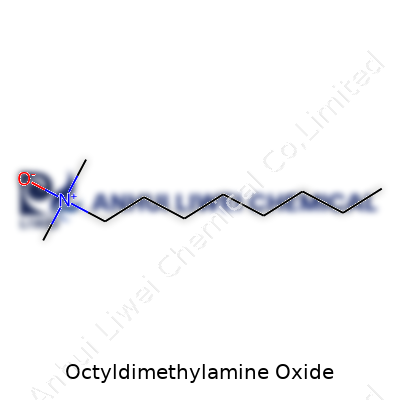
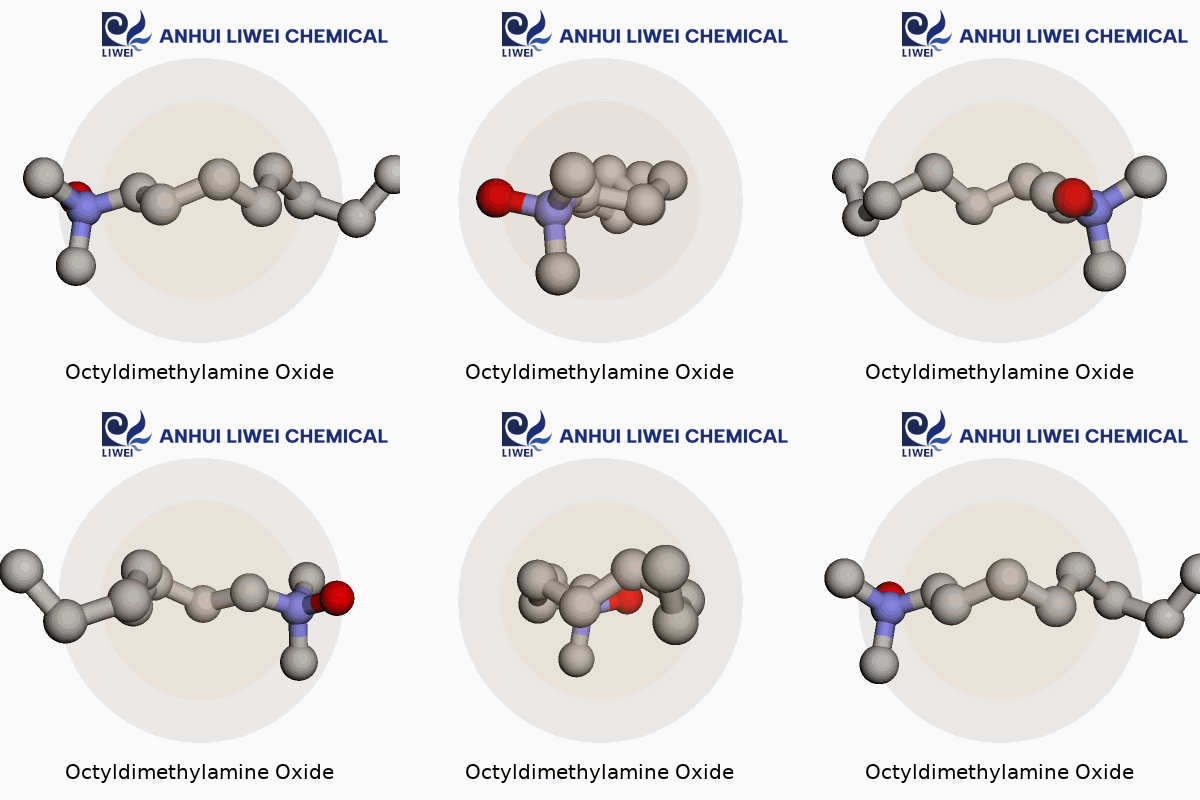
Octyldimethylamine Oxide: More Than Just a Surfactant
Historical Development
Back in the 1960s, the chemical industry started paying close attention to surfactants that could change how water and oil mixed. Octyldimethylamine oxide’s development followed a wave of demand for more stable, efficient cleaning agents as households and industries faced grittier stains and oilier residues. The molecule appeared in a landscape where detergents got constant upgrades, especially when compared to early soaps that broke down in hard water. Commercial labs focused on amine oxides for their ability to bring together ingredients that usually refused to mix, shaping the products that many now find under the kitchen sink or in industrial cleaners. Decades of research kept pushing boundaries, with the molecule stepping into more technical applications with each passing year.
Product Overview
Octyldimethylamine oxide carries a reputation as a strong, nonionic surfactant. Manufacturers toss it into household cleaning sprays, dishwashing liquids, and even some personal care items. A key draw for formulators is its mild profile; skin irritation tends to be lower compared to older alkyl-phenol compounds. This chemical shifts into gear as a foam booster and thickener, often working hand in hand with anionic surfactants to cut through grease and dirt. The compound performs steadily in both hot and cold water, making it handy for laundry detergents as families expect clean clothes in any season.
Physical & Chemical Properties
Octyldimethylamine oxide rolls off production lines as a clear to pale yellow liquid. It comes water-soluble, which means it dissolves without fuss. The chemical formula is C10H23NO, and the molecule weighs in at about 173 grams per mole. With a boiling point high enough to avoid quick evaporation during use, it brings decent chemical stability to harsh cleaning environments. Its pH tilts toward neutral or slightly basic in solution, giving it a gentle touch compared to acidic or harsh alkaline cleaners. Chemists have noticed that its amphoteric nature – the ability to switch between positive and negative charges depending on the pH – gives it flexibility in different formulations.
Technical Specifications & Labeling
Technical sheets usually specify an active content between 28% and 32%, with the rest as water. Labels often include INCI names like “Amine Oxide” or list it by its chemical designation. Manufacturers must state the concentration clearly because workplace regulations flag concentrated amine oxides as mild irritants. Shelf life tends to sit around two years if the product stays sealed and away from strong sunlight or acids that might degrade the oxide group. Color index, odor thresholds, and impurity levels all make their way onto safety data sheets to keep plant workers and consumers informed.
Preparation Method
Most commercial producers start by reacting octyldimethylamine with hydrogen peroxide under controlled temperature and pH. This process, known as oxidative amination, brings about the shift from amine to amine oxide, where the nitrogen atom bonds to an extra oxygen. Technicians keep a close eye on reaction time and temperature to avoid over-oxidation, which might drop the yield or introduce unwanted byproducts. Purification steps strip out excess hydrogen peroxide and leftover amines, ensuring the final liquid meets the specs needed for end products. By tweaking the reaction sequence and raw material ratios, facilities tune the product for either higher or lower foaming, depending on the target market.
Chemical Reactions & Modifications
Octyldimethylamine oxide shows moderate stability, but in acidic environments it can revert to its amine form, sometimes shifting the behavior of a formulation. In strong oxidizing conditions, the molecule risks further breakdown, so chemists build recipes that keep it near neutral pH. Formulators seeking higher foam or different viscosity might blend it with co-surfactants, sometimes derivatizing the molecule by extending the alkyl chain or introducing branching to tune its solubility. Modifications crop up for niche uses, such as tweaking hydrophilicity for emulsion polymerization or adjusting the balance between cleaning power and gentleness for bath and shower products.
Synonyms & Product Names
In the marketplace, octyldimethylamine oxide masquerades under a handful of synonyms: N,N-Dimethyloctylamine-N-oxide, AO-8, and even DMAO. Some suppliers push brand-specific labels aimed at niche industries, crafting subtle differences in viscosity or purity. Meanwhile, consumer packaging often reduces it to “Amine Oxide” or a more generic surfactant name, which can lead to confusion for anyone trying to trace chemical sources in a product.
Safety & Operational Standards
Safety data sheets stress the need for gloves and goggles, as concentrated amine oxides cause mild skin and serious eye irritation. Respiratory hazard stands low, since volatility hovers near zero, yet accidental splashes still send folks to the eyewash station. European REACH registration, US EPA designations, and local workplace safety standards all fold together, pushing companies to spell out safe handling, storage, and disposal protocols on technical bulletins. Waste treatment often centers on biodegradability; octyldimethylamine oxide breaks down in municipal water treatment, but operators never pour large quantities directly down drains because aquatic toxicity spikes at high concentrations.
Application Area
Most of the world’s tonnage lands in cleaning products, especially kitchen and bathroom detergents. Hospitals and food service industries look for its disinfectant-boosting properties. Textile processors pick it for scouring fabrics without leaving residues that wreck later dyeing stages. Personal care markets turn to the oxide for hair conditioners and shampoos, as it leaves hair smooth without heavy build-up. Agriculture formulators toss it into pesticide blends to help sprays coat leaves evenly, raising absorption and cutting drift. Lab assistants and research chemists reach for it in protein extraction protocols, using small quantities to solubilize membrane proteins where harsher detergents fail.
Research & Development
Current research chases better environmental profiles, with scientists scanning for lower-impact substitutes and ways to recycle wastewater containing surfactant residues. Biodegradation studies call attention to mineralization rates in different ecosystems. Technical teams run tweaks on the alkyl chain, checking how minor changes might boost foaming or reduce skin reactivity. Some teams build hybrid molecules linking amine oxides to natural structures, hoping to balance performance and renewability. Patent filings show a spread of ideas, from slow-release cleaning gels to anti-static coatings for electronics, all banking on the versatility of the molecule’s amphiphilic nature.
Toxicity Research
Data from laboratory animal studies often lands octyldimethylamine oxide in the “low toxicity” bracket for ingestion and skin contact at diluted strengths, though undiluted material stings eyes and skin. Aquatic toxicity triggers closer scrutiny; concentrations above 1 mg/L can threaten fish and invertebrates, so international guidelines lock down storage and spill procedures near waterways. Over the long term, wastewater treatment methods break down most residues before they hit rivers or lakes, yet researchers remain vigilant. Epidemiologists working with workers in detergent factories track allergic reactions, aiming to set safe exposure limits that reflect real-world conditions, not just worst-case lab data.
Future Prospects
Demand for versatile surfactants grows as regulations tighten around environmental impact and consumer products lose favor if they irritate skin or eyes. Green chemistry research pushes manufacturers to design molecules that degrade faster and hit targeted performance needs. A shift toward renewable raw materials, such as plant-derived octyl chains, might replace fossil-based feedstock in the coming years. Digital tools and AI simulation speed up molecular design, offering ways to predict cleaning power and safety profiles before a batch hits the reactor. Producing a molecule that balances cleaning force, cost, and environmental stewardship takes a mix of old-fashioned chemistry and new technology. Whether in big industrial drums or family-size detergent bottles, the next generation of octyldimethylamine oxide blends will likely keep pace with rising demand for safer, smarter chemistry.
More Than Just a Chemical Name
Octyldimethylamine oxide sounds like something out of a college chemistry lecture. For most of us, reading a label with long names does little more than bounce off the brain. Yet most households rely on this ingredient, often without realizing it. I grew up helping my grandmother with weekly cleaning, and as an adult, I still glance at labels out of habit. I see this ingredient often, especially in products promising heavy-duty cleaning power that still feel gentle on the skin.
Where You Find It
This compound shows up in places that touch our lives each day. Liquid laundry detergents, dish soaps, all-purpose household sprays—it supports their cleaning punch. Most hand dishwashing products use it as a surfactant, which basically means it helps spread water and soap across a dirty dish. Watch the suds remove oil from a pan, and you see it doing its work.
Many cleaning sprays harness its grease-cutting ability. Wiping down a kitchen counter after frying bacon feels easier with products containing octyldimethylamine oxide. The chemical pulls apart stubborn fats and oils, suspending grime so it can be rinsed away. Some companies even rely on it for foam in hair shampoos and bath gels. The right level of foam signals “clean” to most people, though the real work is happening out of sight at the molecular level.
Safety and Skin Contact
Folks ask if frequent exposure to such chemicals is safe. Here’s what I’ve found: manufacturers use octyldimethylamine oxide at low concentrations. Scientific reviews, including work by groups like Cosmetic Ingredient Review, back up its safety for most household uses. After decades of use in consumer products, big problems remain rare. Skin irritation sometimes shows up, but usually only after repeated and extended contact without rinsing. People with especially sensitive skin or allergies might want to wear gloves or choose fragrance-free products, just to stay on the safe side.
Why It Matters for Health and the Environment
People want products that work but care more about health and the planet than ever before. There’s a tension here: harsh chemicals do clean, but sometimes leftovers in the water supply cause harm. Most cleaning professionals, myself included, look for biodegradable surfactants that don’t hang around in rivers or groundwater. Octyldimethylamine oxide breaks down faster than traditional surfactants like alkylbenzene sulfonates. Wastewater plants can handle it better, which lowers the impact.
Choices and Future Directions
Not every ingredient suits every lifestyle. Some want “greener” options, and brands have responded by testing plant-based alternatives. For tough messes, though, octyldimethylamine oxide holds its place for now. What I’d like to see: even more research into sourcing this ingredient from renewable feedstocks, less reliance on synthetic chemistry, and full transparency from manufacturers about contents and environmental testing.
Paying closer attention to what goes into our homes keeps us healthier and helps protect shared water and land. As consumers keep asking tough questions, the products we rely on will improve as well.
Understanding What Touches Your Skin
The best way to judge what goes onto your body is to get familiar with ingredient lists. Octyldimethylamine oxide turns up in a range of cleaning and personal care goods. Most people don’t think about it too much, but it acts as a surfactant, helping water and oil blend, cutting through grime, and making foam in everything from shampoos to face cleansers and even dish soaps. I remember first spotting it printed on the back of a household bottle during a late-night cleaning spree.
Curiosity led me to a little research. Scientists have put this ingredient under the microscope for both its cleaning power and effects on the body. If you start digging into safety reports, you run across studies from organizations like the Cosmetic Ingredient Review and papers cataloged in PubMed. Their reviews tell an interesting story: in tested amounts found in skincare and cleaning goods, octyldimethylamine oxide does not normally cause serious concern.
Everyday Contact and Potential Risks
Experience in the real world always adds a layer to the science. I’ve tested countless brands on my own skin as part of reviewing different cleansers and body washes. Very few have left me with a rash or discomfort, though I’ve talked to people with more sensitive skin who feel stinging or itching. It turns out this pattern matches what scientists see. For most folks, skin contact with this compound causes few problems. Bodies differ, though. People with known allergies or weakened skin barriers—think eczema, cuts, or after shaving—can notice more irritation from even tiny doses.
Animal studies look for toxicity at high exposure, sometimes using larger concentrations than show up in a normal skincare product. Researchers flagged mild irritation at those levels. At normal consumer doses, it’s unlikely for people to build up enough on their skin to hit the red zone. In most products, the level settles far below the danger threshold, usually below 5% concentration. The U.S. FDA and EU regulatory bodies check and recheck these limits. If you’re ingredient-averse or have children, companies now print concentrations or provide safety data upon request.
Why Being Informed Matters More Now
Social media shines a light on every odd-sounding label, often stirring anxiety. It helps to cut through jargon. Octyldimethylamine oxide sometimes sounds intimidating thanks to its chemical name, but familiarity makes a difference. Folks dealing with allergies or active skin conditions have to keep a keener eye on what they use. My experience as a parent meant urgently cross-referencing product labels before buying anything for my kids, since young skin reacts faster to irritants.
Fact-based communication needs a bigger voice in this world. Unlike some harsh detergents or banned substances, octyldimethylamine oxide stays legal in most places because repeated studies have cleared it for regular use in cosmetics and personal care goods. Buyer feedback, dermatologist reports, and real-world patch tests all support the impression that for most adults the risk remains limited to mild, short-lived irritation—if any issue comes up at all.
Steps People Can Take
Everyone can make safer choices with a few habits. Scan ingredient lists, especially if you have a history of allergies. If your skin flares up, switch to fragrance-free, sensitive formulas and watch for improvement. Reach out to a dermatologist for patch testing if a reaction keeps happening. Companies respond to feedback, so report problems through official channels instead of staying silent. Knowledge really grows best when it’s accessible and shared, and it keeps the market more accountable.
Surfactant Power in Cleaning
Walk down any supermarket aisle filled with cleaners, and you’ll stumble upon products relying on surface-active agents, or surfactants. Octyldimethylamine oxide, an amine oxide surfactant, finds its way into countless cleaning bottles because it lifts dirt, grease, and oils with real efficiency. In household and industrial settings, its strength shows in how easily it breaks down sticky messes on dishes or countertops. Its gentle nature plays a big role in modern dish soaps and hand washes, helping remove grime without roughing up the skin or damaging sensitive materials.
Foaming in Personal Care
The rich lather in many shampoos and facial cleansers often points to this ingredient. It offers foam without drying out your scalp or face, something I’ve noticed personally, especially with so-called “mild” shampoo formulas. Brands looking for performance without irritation trust octyldimethylamine oxide, especially when balancing gentleness and grime-busting strength. The compound’s mildness extends to baby shampoos and other products where sensitive skin is a concern.
Textile and Fabric Applications
Textile factories depend on this surfactant during processes like dyeing and finishing. It helps spread dyes evenly across fibers, making colors look brighter and more consistent. After several wash cycles, clothes cleaned with products containing this compound keep their softness and vibrant shades longer. My own experience with sportswear washed in these solutions backs up the claim—fabrics remain comfortable, with less fading and fewer stubborn odors.
Supporting Agriculture and Gardening
Farmers and hobby gardeners use plant sprays and wetting agents made better by octyldimethylamine oxide. These sprays, when mixed in irrigation or with foliar feeds, coat plant leaves more smoothly, helping nutrients soak in. In the garden, I’ve watched how much more effective fertilizer sprays can be with the addition of a surfactant—plants perk up faster, showing improved health and better resistance to pests and disease pressures.
Improving Industrial and Home Formulas
Painters and repair crews know this ingredient from specialty cleansers that strip tough stains from walls, floors, and machinery. Its ability to work in both acid and alkaline environments allows it to tackle everything from grease to mineral buildup. Water treatment facilities use amine oxides to stabilize foam and help separate scum from treated water. These tasks keep equipment in shape, reduce downtime, and support safer public water systems.
Health and Environmental Focus
Concerns about harsh chemicals nudge companies to find friendlier cleaning agents. Octyldimethylamine oxide breaks down more easily in the environment than many older surfactants. Toxicity studies back up its lower risk to aquatic systems, yet it still delivers the cleaning punch that formulators expect. I choose products with this ingredient when available, trusting the research showing reduced impact on waterways and wildlife.
Looking Ahead: Sustainable Chemistry
Innovation in chemistry always carries the challenge of balancing performance, safety, and sustainability. Leaders in cleaning, cosmetics, and agriculture increasingly rely on ingredients like octyldimethylamine oxide, backed by decades of data, real-world use, and ongoing safety reviews. People want to see both a shiny surface and a cleaner ecosystem. By keeping up with science and thoughtful regulation, industries can make better choices for everyone.
Understanding the Chemical
Octyldimethylamine oxide pops up a lot in household cleaning, shampoos, and other personal care items. It acts as a surfactant that lowers the surface tension of water, which basically means it helps things like dirt and oil wash away more easily. In my time working with green chemistry projects, I’ve seen questions about its safety and environmental impact come up often, especially from folks trying to move to safer products.
Breaking Down the Science
Most people want to know if this ingredient breaks down easily or lingers in nature. According to research published in journals like Chemosphere and the Journal of Surfactants and Detergents, octyldimethylamine oxide shows pretty strong biodegradability. The Organisation for Economic Co-operation and Development (OECD) screening tests suggest that over 60% of it can break down in 28 days—that often counts as “readily biodegradable.”
I’ve watched wastewater experts test surfactants in real treatment plants, and results echo what’s published: octyldimethylamine oxide usually degrades quickly, provided there’s enough oxygen and healthy bacteria present. Once it reaches rivers or lakes, if those conditions hold, it keeps breaking down, and doesn’t stay in the environment long.
Environmental Impact
So, why do we care? When cleaning chemicals stubbornly refuse to break down, they build up in water, soil, or even in wildlife. Persistent chemicals can cause all sorts of trouble—everything from fish kills to hormone disruption. I’ve seen real consequences locally, especially in places with heavy industry or urban runoff where less degradable surfactants stick around for months.
With octyldimethylamine oxide, persistence doesn’t seem to be a big concern under ordinary conditions. The chemical’s breakdown products are smaller molecules that don’t cause the same worries. Still, some caution comes into play in cold climates or locations with little oxygen, where it could linger for a bit longer.
Safe Choices and Responsible Use
Just because a surfactant breaks down readily doesn’t give free license to use tons of it without thought. I’ve seen overuse of any cleaner or detergent wash right into the storm drain—so being mindful about quantity matters. Labels rarely list “octyldimethylamine oxide,” instead using catch-all names like “amine oxides.” Responsible brands sometimes publish biodegradability data on their websites, and that information can help shoppers make better choices.
Building greener products often comes down to small choices—swapping a surfactant, lowering the dose, or finding clever ways to use less water. Some companies have already begun certifying products for better environmental safety and easier breakdown, which pushes the whole industry forward.
Looking Forward
A world with more conscious chemistry feels within reach. Researchers keep watch on even the friendlier chemicals, running studies in different water conditions, temperatures, and beyond. More transparency and better labeling would help, because many folks would rather pick items they know won’t foul up water or harm wildlife.
Octyldimethylamine oxide may not have the fame of older surfactants, but its relative safety puts it on a better footing. Industries, researchers, and everyday people all play a part—choosing ingredients that break down safely and using products wisely adds up to cleaner water and healthier places to live.
Looking at the chemical in everyday products
Octyldimethylamine oxide pops up in lots of daily cleaning items. You’ll spot it in dish soaps and hard surface cleaners. It works well because it helps water and oil mix, lifts dirt, and keeps grime from sticking. With so many jobs for one compound, it’s no surprise that people want to know what risks might come from touching or inhaling its fumes.
Direct contact concerns: Skin, eyes, and lungs
Plenty of research and safety sheets talk about skin and eye irritation. If you get it on bare skin, redness and itching can develop, especially if you forget to rinse it off right away. Eyes need more caution — a splash can lead to stinging and tearing. Cleaning staff or folks using these products for hours at work definitely notice the burn more than someone scrubbing a sink at home. Gloves make a real difference, along with washing hands after use. Splashes into eyes call for quick rinsing, like with any soap or cleaner.
Breathing in the fumes rarely happens unless the area isn’t ventilated and the solution gets sprayed or foams up a lot. For people with allergies, asthma, or other breathing problems, any strong cleaning agent can hit harder. Most guidance stresses opening a window or using a fan during heavy cleaning, not just for octyldimethylamine oxide but for keeping the air moving with any soap or cleaner.
Environmental footprint and what happens in water
Concerns about washing a chemical down the drain aren’t just hype. Testing shows octyldimethylamine oxide breaks down well in sewage plants. Still, if wastewater treatment falls short, large amounts could add up in streams or rivers and mess with aquatic life. Regulatory agencies, such as the European Chemicals Agency, keep an eye on how much of this stuff can end up outside. Most household use sends such a small amount that it won’t wreck ecosystems.
Understanding regulations and labeling
Product makers follow safety standards in most developed places. Europe and North America, for example, require hazard warnings and detailed ingredient lists on industrial cleaning liquids. Yet, consumer products sometimes get by with words like "irritant" or even no warning at all. That puts more responsibility on consumers to scan the fine print. Anyone curious about what’s in their bottle can look up the safety data sheet for their specific product, usually posted online by the company.
Practical ways to lower risks
Nobody wants a rash or stinging eyes. Basic precautions pay off—gloves are cheap and prevent irritation, especially for anybody using big amounts or cleaning multiple times a day. Rinsing skin after use doesn’t take long, and goggles help if you’re mixing concentrated products. For people with sensitive skin or lungs, finding cleaners marked as mild or non-irritant may help set their minds at ease.
Workplaces using large drums of the compound carry even bigger risks. There, training and spill plans matter. Employees should know how to handle a leak or what to do with splashes. Even if the chemical gets used safely in most homes, large quantities raise exposure, and injuries happen faster if people aren’t ready.
Why it matters
Years working janitorial jobs showed me that even common cleaners can hit hard if you get careless. Once, a fellow employee mixed a cleaner, splashed her arm, and ignored it until a rash broke out. Now, most of us don’t go through gallons a week, but paying attention to labels, wearing gloves, and keeping the air moving matters for everyone. It doesn’t take too much effort, and it helps avoid small problems turning into trips to the doctor.