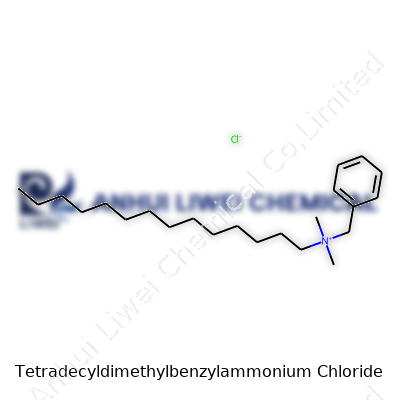
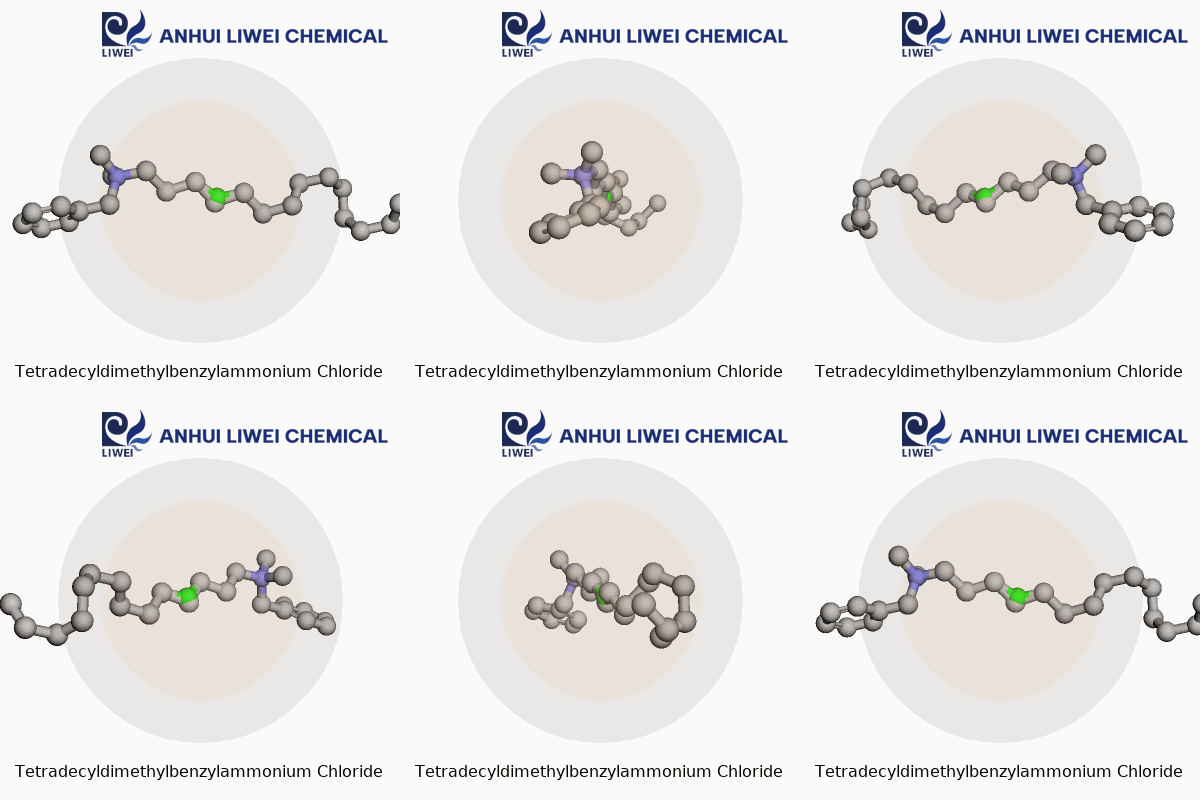
Tetradecyldimethylbenzylammonium Chloride: Past, Present, and What's Next
Looking Back: The Roots of Tetradecyldimethylbenzylammonium Chloride
Stories about quarternary ammonium compounds go back almost a century. Chemists set out to create simple solutions that would keep homes, hospitals, and public spaces safe from germs. Tetradecyldimethylbenzylammonium chloride, known in the chemical trade as a “quat,” grew in demand as hygiene moved into the spotlight during the twentieth century. Demand went up especially fast during health crises, like flu pandemics or hospital outbreaks. Historically, the development of this compound tracked closely with the emergence of mass-produced disinfectants and new infection control standards in the late 1940s and 50s. It’s a product built not on a single inventor’s genius, but on decades of hands-on problem-solving from scientists and public health workers.
Inside the Bottle: Product Overview
Tetradecyldimethylbenzylammonium chloride usually shows up in white or yellowish powders or as a concentrated liquid. It smells faintly of flowers and harsh cleaning agents—something you never mistake for a snack. Most people see it as a disinfectant ingredient on household cleaners, surface wipes, or industrial sanitizers. It isn’t a household name, but if you check the back label of some cleaning sprays, you’ll spot it. Companies include it for its ability to break apart cell membranes of bacteria and fungi, stopping their spread.
Physical & Chemical Properties
This chemical holds up under ordinary room temperatures as a solid or a viscous liquid, with a melting point in the ballpark of 50°C. It dissolves easily in water and alcohol, which matters a lot for manufacturing and application. Tetradecyldimethylbenzylammonium chloride’s main claim to fame involves its cationic surfactant behavior; it pairs well with other cleaning agents except for anionic detergents, which can muddy up the works and reduce its effectiveness. Its ionic character allows it to spread over surfaces, cling to dirt, and attack microbes directly.
Technical Specifications & Labeling
Manufacturers usually supply this material in concentrations anywhere from 50% to 80%, diluted based on intended use. Labeling needs extra attention because it can cause skin and eye irritation. Regulatory bodies like the EPA in the United States or the ECHA in Europe set clear limits on allowable concentrations and required safety warnings. Product labels usually tell users to wear gloves, ventilate the area, and avoid mixing with other types of cleaners. In my experience with lab operations, keeping chemical safety data sheets nearby helps avoid nasty surprises.
Preparation Method
The production of tetradecyldimethylbenzylammonium chloride starts with the reaction of benzyl chloride with dimethylamine. Chemists add tetradecyl chloride to the mix, producing a quaternary ammonium salt through controlled alkylation. This means they swap and join molecular pieces with care, often under inert atmospheres and with controlled heating, to avoid side reactions. The final mixture requires purification by crystallization, washing, and drying steps to remove by-products and deliver a substance ready for commercial or industrial use.
Chemical Reactions & Modifications
This compound stands out for its reaction with nucleophiles, which makes sense given its high positive charge. Under strong alkaline conditions, it might degrade or transform into less potent analogues. Chemists adjust the length of the alkyl side chain to tweak performance for particular uses. These modifications help dial in surfactant properties, foaming, and antimicrobial strength. Real life rarely fits formulas exactly, and changes in pH or additions of other chemicals during use often affect how effectively it works.
Synonyms & Product Names
Tetradecyldimethylbenzylammonium chloride picks up many names depending on country and manufacturer. Common synonyms include myristyl dimethyl benzyl ammonium chloride, benzyl-C14-alkyldimethylammonium chloride, and simply ‘quats’ in cleaning and disinfection circles. Products like BTC 824 or Barquat MB-14 often list this ingredient in safety sheets. No matter the label, the base compound remains the same from hospital disinfectant to pool algaecide.
Safety & Operational Standards
Field experience teaches respect for this chemical; stories of irritated skin and stinging eyes from careless handling show that basic personal protection is key. Only gloves and decent eye protection stand between a safe shift and an emergency room visit. Chronic exposure can trigger asthma and dermatitis in people with sensitive skin. Regulatory standards call for ventilation, secure container storage, and quick cleanup in case of spills. In educational settings, proper training and regular safety audits make a real difference—no chemical, even a familiar one like this, gets a free pass.
Application Areas
Hospitals, food-processing plants, and home kitchens use this compound to keep bacteria, viruses, and fungi in check. Surface disinfectants often include it to handle common pathogens fast, reducing disease spread. Swimming pools rely on it to prevent algae blooms alongside chlorine. Animal husbandry operations use it to keep stables and pens safer for animals and workers. Portable and ready-to-use products gained popularity in recent years as people focused on hygiene, especially in public spaces and after global health scares. Overuse brings its own risks—some bacterial strains have begun developing resistance, making constant evaluation essential to avoid losing this valuable tool to nature’s pushback.
Research & Development
Academic labs and industry R&D centers continue exploring how to get more punch out of quats without raising toxicity, cost, or environmental risk. Recent work focuses on green chemistry techniques that cut waste and pollution during manufacturing. Modified analogues with longer or branched alkyl tails sometimes cover broader germ spectrums or break down more safely once discarded. Teams also dig into safer blends for sensitive fields like childcare or food contact. Surveillance for microbial resistance and assessments of by-product persistence keep innovators honest about the limits of this chemistry.
Toxicity Research
Decades of studies across animals and cell cultures show that high doses can cause skin irritation, eye damage, and, if swallowed, gastrointestinal distress. Based on exposure, repeated contact brings up concerns over chronic toxicity to organ systems, especially the liver and kidneys, after prolonged or careless use. In aquatic environments, residues harm beneficial microorganisms and can persist longer than expected, so disposal and run-off controls matter. Regulatory limits reflect evidence from controlled lab and real-world incidents, not just for acute harm, but for long-term risks to people and the environment. Efforts to understand subtle hormonal or developmental effects continue, since new data sometimes reveals long-overlooked danger.
The Road Ahead: Future Prospects
Tetradecyldimethylbenzylammonium chloride finds a place in cleaning routines, food safety, and infection control. With new infectious diseases on the horizon and the pressure for environmentally friendly chemistry mounting, companies look for formulas that break down faster, work at lower doses, and deliver the same peace of mind. Improvements will come through better process engineering, smarter packaging, and ongoing review of public health needs. Balancing the twin goals of effectiveness and safety brings challenges, but also uncovers new ways to make tools we trust safer and more sustainable.
A Closer Look at the Chemical in Common Cleaners
Tetradecyldimethylbenzylammonium chloride, which many people spot on product labels as BZK or a quaternary ammonium compound, shows up just about everywhere cleaning happens in modern life. People rely on it for fighting germs in hospitals, offices, food prep areas, and even bathrooms at gas stations. The main reason folks keep turning to this specific compound comes down to one thing: it kills bacteria, fungi, and some viruses fast and with minimal fuss.
BZK gained real traction in surface disinfectants and sanitizer sprays. Hospitals stockpile it, especially for surfaces that need to stay clean—rails, trays, exam tables, and even ambulance gurneys. At home, you’ll spot it in products aimed at kitchen counters, tile grout, toilet seats, and anywhere that needs more than a quick wipe-down. It also shows up in the wipes parents give to kids for sticky hands when there’s no sink nearby.
Hidden Layers: Risks Behind a Familiar Name
Many people do not realize that the ease with which BZK kills germs brings a hidden tradeoff. Overusing it, especially in places where people eat and touch things often, can lead to problems. Studies from the Centers for Disease Control and the EPA have suggested repeated exposure to high levels of BZK can give rise to skin irritation and, in rare cases, trigger allergies or asthma flare-ups. Not all germs die off in its presence, either. With regular use, resistant strains of bacteria begin to show up—the same stubborn bugs that give nurses, doctors, and anxious parents headaches.
To make things trickier, BZK can linger on surfaces for a while after use. People worrying about sensitive pets or small children start asking questions about chemical buildup. The EPA keeps a close eye and regulates its concentration to help maintain a balance between disinfection and safety. Still, those warnings in small print on disinfectant bottles deserve a glance.
Balancing Clean Homes and Healthy Lives
In everyday life, most folks see BZK as a necessary tool—especially after a global pandemic raised everyone’s expectations about cleanliness. Stores moved more wipes than they could stock. School janitors scrubbed desks between every class. But just because something cleans well does not mean it fits every job or every home.
Simple steps can help keep everyone safer. Open windows or keep a fan running when using heavy-duty surface cleaners. Wearing gloves protects sensitive skin. For kitchens and areas around food, a rinse with water after disinfecting never hurts. Some experts in public health, including those at WHO, encourage mixing up cleaning routines and not reaching for harsh germ-killers every single day—soap and water remain powerful allies. People can check for alternatives if BZK concerns grow too large, especially for families with allergies or pets that roam on freshly cleaned floors.
The bigger issue with widespread BZK use calls for responsibility, not panic. Killing germs matters. Protecting kids, pets, and even friendly bacteria that keep homes balanced matters just as much. Trusting a label isn’t enough; reading it and questioning whether that powerful cleaner is right for the space plays a bigger role in safer, smarter living.
A Closer Look at Tetradecyldimethylbenzylammonium Chloride
Tetradecyldimethylbenzylammonium chloride, often called a 'quaternary ammonium compound' or 'quat,' gets included in many popular cleaning and disinfectant sprays. Food facilities, restaurants, and even home kitchens run into this chemical on shelves. It kills a broad spectrum of bacteria and viruses, which helps keep spaces looking spotless.
Regulations and Safety Questions
Food safety agencies have spent years setting rules for cleaning chemicals. The U.S. Food and Drug Administration (FDA) and the Environmental Protection Agency (EPA) both approve the use of quats like tetradecyldimethylbenzylammonium chloride on food contact surfaces — but only in very specific situations. Cleaners containing this chemical need to be used at set concentrations, and rinsing with potable water must happen after treatment before the surface touches food again. If you skip the rinse, you might leave behind residues that carry risk.
In kitchens I've worked in, disinfectant bottles usually display the EPA registration number clearly. Staff often have to measure out a certain amount of cleaner in a bucket, mop down hard surfaces, and then wash it all away. The rules exist for a reason: several studies point out that small amounts of quats can stick to plates or cutting boards. One peer-reviewed article from 2020 in the International Journal of Hygiene and Environmental Health found quat residues—even after washing—in commercial settings, where high turnover makes it tough to rinse perfectly every time.
Risks with Overexposure
Long-term exposure raises another concern. Reports out of the National Institute for Occupational Safety and Health describe possible skin irritation and breathing troubles from concentrated quat products. The potential for allergic reactions also exists if someone handles surfaces still carrying residue. On rare occasions, ingesting quats because a surface wasn’t properly rinsed can cause nausea and digestive upset. The science on chronic low-dose exposure isn’t as clear as it should be. The EPA set threshold levels years ago, but the agency still receives calls for newer studies. That uncertainty gives anyone who cooks pause.
Why the Details Matter
Eating meals at a table cleaned with strong disinfectant may not put your health at risk if cleaners are used and removed as directed, but most people I know don’t always break out the measuring cup and stopwatch. Restaurants may get wiped down in a hurry before a new customer sits. At home, someone might grab a bottle labeled 'disinfectant' assuming it’s food safe, without reading the fine print.
Smart Solutions to Consider
Clear labeling takes out the guesswork. Cleaning products aimed at kitchens should spell out whether a rinse step is needed, and at what concentration. Training employees in foodservice on sanitizer concentrations and proper rinsing makes a difference—health departments run regular classes in many cities. Switching to hydrogen peroxide- or alcohol-based sanitizers on some surfaces could limit residue risks. Open conversations between public health officials and industry about updating exposure studies would help the science keep pace with changing habits.
For anyone cooking at home, follow two simple guidelines: never spray regular cleaning disinfectants directly onto plates or utensils, and always check if any surface cleaner needs rinsing before touching food. A habit of quick label checks and an extra round of water do much more than you realize to limit unnecessary chemical contact at the table.
Why Storage Choices Make a Difference
I’ve seen labs overlook the details of chemical storage and end up facing consequences that nobody wishes for. Tetradecyldimethylbenzylammonium chloride, or TDBAC for short, requires respect. I remember once, a colleague forgot that some cleaning agents need extra protection from the elements—soon the quality dropped, and whole batches had to be pulled. Storage habits can make or break safety, shelf-life, and the trust others have in your process.
Keep It Cool, Dry, and Secure
TDBAC holds up best away from heat sources. If the storage area gets too warm, it can compromise stability and even create unwanted reactions over time. I learned early on that a dedicated storage room with temperature control is more than a luxury—it’s a barrier against the unpredictable. Humidity introduces moisture into containers, leading to clumping or chemical breakdown, so dry conditions aren’t just a box to tick. Moisture can sneak in from the air or some poorly sealed lid, and it doesn’t take much to start the trouble.
Pick a Spot Away from Sun and Chemicals
Direct sunlight punishes TDBAC. Exposure fades color, speeds up degradation, and saps effectiveness. Blocking windows or using opaque containers keeps the product as strong on day 300 as it was on day one. Storing TDBAC around strong acids or oxidizers puts everyone at risk. Mixing the wrong neighbors in a chemical storage area invites dangerous situations—unexpected fumes, fires, or subtle product changes that nobody notices until it’s far too late.
Tight Lids and Clear Labels: Lessons Learned
I’ve fumbled a few lids in my day and regretted it every time. A tight seal matters more than keeping odors at bay. Airtight containers lock out ambient moisture and air, stopping slow, stealthy reactions before they begin. Cheap, flimsy jars make poor investments. Strong, chemical-resistant plastic or glass bottles keep the risk of leaks and spills far lower, and sometimes, old habits of reusing random containers cause contamination headaches.
Labeling cannot get overlooked. Clear, thorough labels give everyone complete confidence in what they’re handling. I’ve worked with teams that date every bottle and include hazard warnings, so nobody’s left guessing. Misunderstandings lead to mistakes—sometimes small, sometimes serious—but a bold, readable label prevents confusion. If the solution gets transferred to a smaller container, update that tag, or risk an inspector calling you out.
Disposal and Housekeeping Go Hand in Hand
Old stock doesn’t belong in the back corner. Finding expired TDBAC means following disposal regulations to the letter, never dumping it down the drain or tossing it in with standard trash. Local rules set the tone, and ignoring them lands businesses in hot water during audits. Every so often, cleaning up storage areas uncovers rogue containers, spills, or forgotten hazards. I once found an eight-year-old container, yellowed from age and oozing—nobody wants that surprise.
Raising the Bar for Safety
Safe storage of TDBAC takes discipline and vigilance. Keeping it away from sunlight, heat, moisture, and incompatible chemicals isn’t just about hitting targets—it’s a professional obligation. Strong containers, good labeling, and regular cleanouts reinforce a culture of care. Small steps stack up, keeping people safe, maintaining product quality, and staying one step ahead of risks that nobody can afford to ignore.
The Chemistry Behind the Clean
Walk into any janitor’s closet and you’ll spot bottles labeled with long, tongue-twisting names. Tetradecyldimethylbenzylammonium chloride often shows up in hospital-grade disinfectants, kitchen sprays, and even surface wipes. It belongs to the quaternary ammonium compound group, sometimes just called "quats." Nothing magical goes on here—the goal is to kill germs. Yet, the fight against bacteria can bring its own set of troubles.
What Happens After Exposure
Think of those times you grab a wet wipe without gloves or mop a floor without enough ventilation. Tetradecyldimethylbenzylammonium chloride can irritate skin and eyes. Redness, burning, or swelling often appear, especially in folks with sensitive skin or a history of allergies. Respiratory issues sometimes pop up after breathing in droplets, particularly in closed spaces. Asthma-like symptoms—wheezing, shortness of breath, tightness in the chest—have nudged workplace safety groups into action, drawing links to occupational asthma in cleaning staff.
Spotting the Sneakier Side Effects
Not all reactions hit right away. I’ve seen coworkers complain for weeks about congestion and itchy hands, brushing it off as a bad cough or just dry weather. Long-term exposure sometimes triggers chronic skin rashes. Swallowing even tiny amounts by accident—easy to picture if a child gets into the cupboard—can lead to nausea, vomiting, or more serious stomach pain. Animal studies have raised flags about possible organ effects after high doses, with some research suggesting impacts on the liver or kidneys, but people rarely run into these situations in regular life. The biggest concern for daily users often circles back to skin and breathing problems.
Why Safety Matters
Fast, effective cleaning matters—nobody wants norovirus or the flu lurking in the house. It’s easy to think harsh chemicals equal better results, but too much exposure stacks up, especially for custodians, cleaners, and healthcare workers. The Centers for Disease Control and Prevention and the Environmental Protection Agency recommend protective gloves, eye protection, and good airflow—pretty reasonable habits that many skip in a hurry. After years on a cleaning crew, I can’t count how often people forgot their gloves and spent the day with red, cracked knuckles.
Better Habits and Simpler Choices
It pays off to read labels and follow instructions, even on familiar products. No need to double up the dose or leave disinfectant on a surface longer than directed. Routine handwashing after using these products makes a difference—sounds simple, but it works. Some workplaces now rotate different types of disinfectants or opt for milder versions when possible. At home, I stick to single-use wipes or diluted solutions and always crack a window open. Product makers have started rolling out clearer labels and training resources to help with safe handling, a step toward cutting back harmful side effects.
Weighing Risks and Making Smart Choices
Germs don’t take breaks. Neither do the side effects of cleaning products, especially with months or years of exposure. Raising awareness, using the right safety gear, and demanding better labels push risk in the right direction. No single approach covers every situation, but small changes in routine add up. That’s been true for me, and it lines up with what doctors and regulatory agencies recommend.
Treating It With Respect
Anyone who has handled industrial cleaners or disinfectants probably knows the chemical punch packed in compounds like Tetradecyldimethylbenzylammonium Chloride. This isn’t just some harmless soap. Used in everything from hospitals to gym showers, the right mix keeps people safe; the wrong one invites skin burns or surfaces that stay germy. A few years back, I worked in a nursery where sanitation cut down on shared colds, and the products we used reminded me daily that the right ratio made a world of difference, not just for compliance but for health.
Why Getting The Mix Matters
Many cleaning products reach users as concentrates. Labels carry numbers like “10% solution” or “1:256 dilution.” Often, the science gets ignored in the rush to wipe a counter or fill a mop bucket. Diluting this chemical with the right amount of water, though, moves it from hazardous material toward everyday safety. If you ever felt your lungs prick after using too-strong chemicals, you probably got a taste of the dangers of not sticking to the manufacturer’s instructions. In my home, a poorly mixed cleaner once left my hands cracked and red for days. Experience pushed me to read the fine print—something too many people skip.
How To Find The Right Formula
Most labels or safety sheets spell out basic ratios. For general disinfection, you’ll probably mix around one ounce of product with a gallon of water—seems simple enough. At work, we filled a big bucket with water first, then added the concentrate. The logic here is real: pouring water over the chemical controls splashing and prevents fumes from wafting up into your face.
Using a graduated measuring pitcher paints a truer picture than eyeballing with an old cup or bottle. Even in a rush, grabbing a measuring tool beats the risk of guessing. At the day care, we marked the “one ounce” line on our pitcher with tape because kids and strong bleach don’t mix.
Avoiding Common Mistakes
Some folks try to boost results by making the solution stronger. That temptation bites back. Too much of the concentrate can corrode metal, discolor floors, and put anyone nearby at risk of rashes or worse. Surfaces left sticky also pull in dust and bacteria. I learned from a friend in janitorial work that more isn’t better if surfaces wind up hazardous.
Don’t Mix And Guess
Big in the age of DIY cleaning: mixing different products. This often has dangerous effects, especially with quats like Tetradecyldimethylbenzylammonium Chloride. Bleach and this product do not play nice. Gas and accidents follow combos like this. Sticking to one product at a time kept me and my crew breathing easier.
Better Training, Safer Outcomes
Safety data sheets often collect dust in supply closets, but those sheets hold the right numbers. Companies hiring new folks should emphasize this as part of onboarding. For parents, teachers, or even grocery clerks, reading those numbers could mean a safer workplace and fewer ER visits from accidental exposure.
Making It Routine
Diluting chemicals like Tetradecyldimethylbenzylammonium Chloride isn’t rocket science, but it does punch above its weight in importance. Using the right tool, the right measure, and sticking to the stated ratio builds confidence and keeps skin, lungs, and surfaces in better shape. Over time, these simple habits mark the difference between risky improvisation and healthy precaution—something everyone can benefit from, whether cleaning classrooms or kitchen tables.