Tetradecylpyridinium Chloride: Unpacking Chemistry, Safety, and Future Pathways
Historical Development
Tetradecylpyridinium chloride didn’t pop onto chemists’ radars overnight. Its story tracks back to the middle of the twentieth century, right at that busy intersection of industrial chemistry and human health concern. Specialty quaternary ammonium compounds exploded in popularity when researchers began blending surfactant power with practical uses. Tetradecylpyridinium chloride stands out among these for its strong surfactant properties, earning recognition as not just another cleaning ingredient, but a molecule with plenty of backbone for battling surface-dwelling microbes. In my own academic training, older literature pointed out its broad adoption across hygiene and preservation before its chemistry was fully unpacked at the molecular level—folks trusted the results even before the details lined up.
Product Overview
Outside the lab, tetradecylpyridinium chloride usually shows up as a white to yellowish powder or sometimes as a concentrated solution. The substance lands in a wide range of everyday products. Take the oral rinse bottle on the bathroom counter, for instance. Its main function is to mop up bacteria, cut down plaque, and ease worries about halitosis. Consumers probably don’t realize the work going on because this compound stands out for being both effective and pretty low odor. Away from homes, it tasks itself with more heavy-duty jobs like preserving raw poultry or keeping critical equipment sanitized in processing plants.
Physical & Chemical Properties
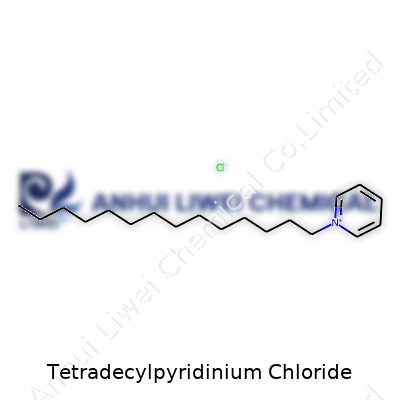
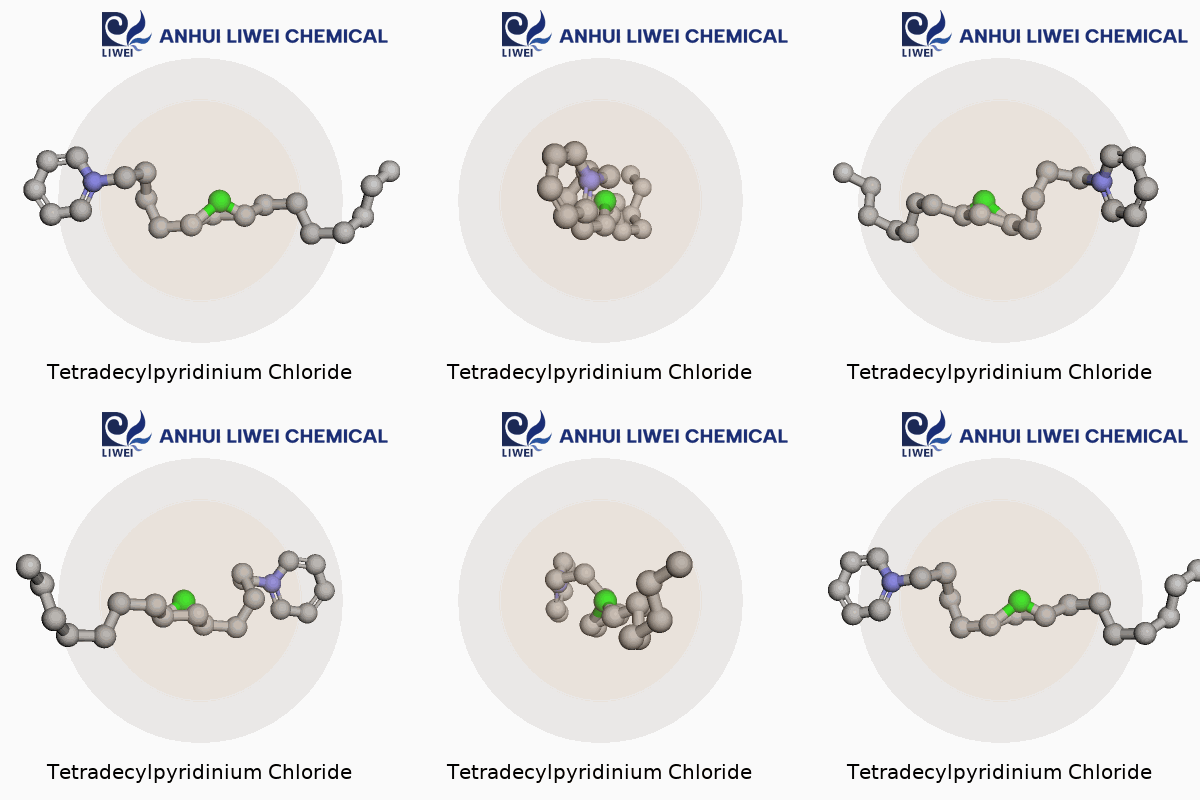
This molecule brings a long alkyl chain—fourteen carbons give it grip for disrupting microbial membranes. On the other end, the pyridinium moiety makes it cationic and water-soluble. Its melting point hovers around 80°C while its water solubility ensures practical handling. The surfactant chops through grease, which won over a whole industry before anyone tossed around buzzwords like “biofilm.” Its surface activity relies on that signature hydrophilic head and hydrophobic tail, explaining why it plays so well in cleaning and antimicrobial formulations.
Technical Specifications & Labeling
Tetradecylpyridinium chloride isn’t sold as some mystery powder. Suppliers keep tight tabs on purity—often sitting above 98%—with residue levels and pH range spelled out. Most commercial labeling includes standardized safety icons, hazard statements, and directions for dilution. Regulatory schemes around the world, from REACH in Europe to OSHA in the U.S., call for tracking batch numbers and expiry dates. In practical settings, even small labeling slipups can generate compliance headaches, and my time supporting QA teams drilled home the need for airtight records whenever any quaternary ammonium makes its way into food or pharma supply chains.
Preparation Method
Making tetradecylpyridinium chloride hinges on a classic quaternization reaction. Pyridine and tetradecyl chloride come together, typically in an organic solvent heated under reflux. The alkyl halide’s long chain swings over and latches onto the nitrogen in pyridine, yielding the quaternary ammonium salt with chloride as the counter-ion. Afterward, technicians filter, wash, and dry the crystals—usually skipping flashy purification tricks because the initial reaction gives a clean product under the right conditions. Many facilities stick to this direct route since yields stay reliably high and the reagents, although not exactly household names, remain affordable compared to more bespoke surfactants.
Chemical Reactions & Modifications
Chemically, tetradecylpyridinium chloride stands up well under most storage conditions, yet reacts with strong oxidizers and other reactive agents. Chemists sometimes swap out the chloride for other halide ions to change solubility or tweak antimicrobial spectra. Other modification routes rely on changing alkyl chain length or attaching functional groups to the pyridinium ring, tuning the balance between hydrophobic and hydrophilic character and yielding compounds with different performance in foaming, wetting, or microbe-killing tests. The basic chemistry invites creative spinoffs through simple once-through reactions—something my colleagues tinkered with during grad school research, hunting for “goldilocks” surfactants that hit performance peaks without overstepping regulatory limits.
Synonyms & Product Names
Lab catalogs and regulatory listings usually call it Tetradecylpyridinium chloride, but it also turns up as N-tetradecylpyridinium chloride, 1-tetradecylpyridinium chloride, and truncated as TPC or TDPC. Some commercial disinfectants or oral hygiene brands list this ingredient more generically as a “quaternary ammonium compound.” Product name proliferation occasionally causes confusion during cross-referencing safety documentation, something I’ve run into while reviewing regulatory submissions—matching synonyms to CAS numbers saves headaches.
Safety & Operational Standards
Quaternary ammonium compounds, including this one, demand careful handling. The main risk: mucosal and skin irritation. Regulatory agencies, such as the EPA and EU’s ECHA, require explicit limits on concentrations in consumer goods—no free passes for leaving it off labels or skipping compatibility testing. Industrial users lean hard on standard operating procedures, personal protective equipment, and well-ventilated workspaces. My own work with safety teams highlighted a common snag: over-reliance on gloves and goggles without training. Only airtight documentation and recurring briefings nip those oversights in the bud. Bonus: spent solutions can’t get flushed down the drain unfiltered, so environmental compliance teams stay busy monitoring effluents.
Application Area
Its use spans far and wide, with oral care as its biggest public claim to fame. Mouthwashes, lozenges, chewing gum, and even throat sprays use tetradecylpyridinium chloride in low concentrations to slow plaque and kill odor-producing bacteria. Food processing plants rely on the compound to wash down poultry and seafood, where it knocks out salmonella and extends shelf life. In the world of non-consumer disinfectants, it finds work in industrial and hospital surface sanitizers, where the stakes revolve around infection control. Some agricultural applications turn to it for post-harvest washing to stunt microbial rot. Regulatory approvals carve its usable boundaries, so the application in new formulations sometimes lags behind the science due to wait time for official green lights.
Research & Development
Researchers continue to mine tetradecylpyridinium chloride for untapped uses. Much attention focuses on biofilm penetration—breaking down slimy colonies of bacteria clinging to teeth or industrial equipment. Newer projects swirl around pairing it with enzymes or specialty polymers to jump antibacterial hurdles without inviting resistance. Another hot spot involves eco-friendlier manufacturing that shines up yield rates and carves out waste byproducts, giving the next generation of surfactants a cleaner footprint. The literature also brims with studies comparing it to newer quats, especially regarding persistent microbial threats. My review of recent conferences pointed to increasing interest in “combination technologies”—blending traditional quats with plant-derived antimicrobials to stretch efficacy and dodge regulatory bottlenecks.
Toxicity Research
No surfactant comes risk-free, and tetradecylpyridinium chloride is no exception. Acute toxicity in lab animals appears moderate; it’s a skin and eye irritant, with other hazards linked to its cationic nature. Consumer safety comes down to limiting dose—concentration in oral care hovers below 0.1%, while food contact gets evaluated by strict risk models. Some animal studies point to possible disruption of gut flora or mild changes in tissue morphology at high doses, but regulatory bodies continue to scrutinize evidence with ongoing review. My work packaging safety summaries involved reading hundreds of pages of animal and in vitro studies showing no significant genotoxicity or carcinogenicity, but risk managers worry mostly about overuse or accidental ingestion at higher concentrations. Medical monitoring at production sites helps clamp down on occupational exposure, and regulatory documents hammered home that ongoing research remains key.
Future Prospects
Tetradecylpyridinium chloride faces both challenge and opportunity. Regulation grows stricter as environmental persistence and aquatic toxicity claims enter the conversation, especially in Europe and North America. Still, demand for antimicrobial controls isn’t fading, so innovation must run faster than restrictions. I see green chemistry approaches becoming standard, not only by minimizing discharge and boosting biodegradability but also by engineering hybrid molecules that strike a smarter balance between killing microbes and preserving beneficial flora. On the business front, market analysts predict steady expansion into hygiene, food safety, and possibly smart coatings that unlock controlled release. Whoever manages to design safer, sustainable, and powerful surfactant systems will shape the next chapter, blending scientific rigor with public trust—something I’ve watched push other legacy chemicals into a new era.
What Makes Tetradecylpyridinium Chloride Special?
Tetradecylpyridinium chloride (often labeled as CPC by scientists and the dental industry) lines countless shelves in oral care aisles. Flip over a bottle of mouthwash, and there’s a good chance you'll spot this ingredient. It is known for its antibacterial strength, which helps reduce the bacteria that trigger gum issues and bad breath. That ability alone might not make headlines, but considering how many people struggle with oral hygiene, this ingredient plays a bigger part in daily routines than it gets credit for.
Tough on Germs, Handy in Personal Care
Oral bacteria can send you to the dentist with cavities or gum inflammation. By including tetradecylpyridinium chloride in popular rinses, manufacturers aim to keep dental problems at bay. The Food and Drug Administration (FDA) and the American Dental Association support CPC’s role in improving mouth health, thanks to years of safety and effectiveness data. CPC’s value doesn’t stop at mouth rinses. You’ll spot it in specialty throat sprays and sometimes in lozenges.
Some people hesitate when chemicals are listed on ingredient labels. Yet, CPC stands apart from harsher compounds. Unlike alcohol-based rinses, CPC products avoid the burning sensation that puts many people off. Kids and adults tend to stick with milder mouthwashes, so CPC offers a friendlier option. That translates to more regular oral care habits.
Beyond Oral Health: Controls Germ Spread in Other Spaces
Researchers worked with CPC in hospitals and other crowded places, seeking reliable ways to stop germ transmission on surfaces. Some disinfectant sprays and wipes now rely on CPC to tackle bacteria and viruses. As the world faced crises like early COVID-19 outbreaks, the search for proven disinfectants gained urgency. Institutions trusted CPC as one tool in their hygiene toolkit, helping reduce the risk of infection spread.
Reviewing the Data: Why Safety Still Matters
No ingredient belongs in your daily products without scrutiny. The US National Institutes of Health has combed through research on CPC’s health impact. Most studies found little reason for concern, provided people use these products as directed. In rare cases, high doses or improper use led to mild irritation or minor allergic reactions. Knowing this, I watch for product instructions and avoid doubling up on similar products to avoid accidental overuse.
The Road Ahead: Making Informed Choices
People rely on routines that promise better health with little hassle. Whether in town or out hiking, brushing teeth and freshening up tend to fall into the same rhythm each day. Having trusted ingredients like CPC helps many people look after themselves, especially those who sometimes skip dental appointments. I remember times in school where quick rinses between classes made a difference in how I felt—CPC made those bottles work harder.
Governments and health experts highlight the need for safer, milder options as allergies and sensitivities become more common. CPC meets that need in most typical situations, giving users a sense of control without an overpowering taste or harsh side effects. Toothbrushes and floss matter, but smart ingredient choices in daily-care products quietly protect people from bigger problems down the road.
What is Tetradecylpyridinium Chloride?
Tetradecylpyridinium chloride—often shortened to TPC—shows up in disinfectants, mouthwashes, and some over-the-counter products. Its role: fight off bacteria. You’ll spot it on ingredient lists for products meant to kill germs and freshen breath. The promise seems simple: healthy hygiene, fewer cavities, and less risk from infectious microbes.
The Promise and the Proof
People use products with TPC for good reason. Plenty of lab studies reveal it breaks down bacterial cell walls, making it tough for harmful organisms to survive. The U.S. Food and Drug Administration and the European Medicines Agency have examined the evidence for TPC’s safety and effectiveness, especially in oral care products. The available research supports its ability to reduce plaque and gingivitis when used as directed.
Healthy skepticism goes a long way, though. TPC hasn’t landed in the “perfectly safe” bucket. At recommended doses, mouthwashes and sprays with TPC hardly ever cause major issues for most people. Some, though, report mild irritation—maybe a tingling tongue or slight mouth soreness. It’s similar to how some folks get dry or flaky skin from antibacterial soaps. These side effects happen, but usually fade once someone stops the product.
Long-Term Exposure and Sensitive Groups
Not every substance that kills germs is equally safe for regular use. Safety questions often center on long-term exposure and sensitive groups—think children, people with weaker immune systems, or folks dealing with swallowing problems. Repeated, high-concentration use brings more risk. Studies haven’t shown DNA damage or cancer links at regular, over-the-counter doses of TPC, but high levels can cause irritation and disrupt the body’s balance of healthy bacteria.
I’ve known people who react strongly to ingredients that most of us never notice. In a dentist’s chair, the pre-rinse feels tingly for some and harsh for others. That difference in experience—actual lived experience—should always weigh heavily in health debates. One-size-fits-all approaches don’t work in chemistry or medicine. Personal sensitivity or allergies shape the real story of what counts as safe.
Regulation and Labeling
Oversight matters for safety. Manufacturers of TPC-containing products must follow strict labeling rules and stay within approved concentration ranges. This includes warnings to avoid swallowing TPC and to keep products away from children’s unattended reach. Clear directions point out the importance of spitting, not swallowing, after rinsing. Transparency lets consumers make informed choices. Regulatory agencies update their guidance as new science rolls in, closing safety gaps that only appear with time and widespread use.
Weighing Risks and Benefits
TPC stands as one tool among many. Good oral hygiene relies more on steady routines—regular brushing, flossing, healthy choices—than on any single product. People who use TPC mouthwash as directed, and who stop it if irritation pops up, have little to worry about. Still, it pays to check product labels and rethink routines if mouthwash stings or feels harsh. Healthcare providers should know about new symptoms, especially for folks on medications or those prone to allergies.
Possible Paths Forward
Stronger independent research helps clarify grey areas. Longer-term studies and more attention to sensitive populations could shine a brighter light on risks that short-term studies sometimes miss. In my experience, the people who ask questions and read labels end up better protected. Keeping the conversation open between scientists, doctors, and regular product users ensures TPC remains an asset—never an afterthought.
Understanding Tetradecylpyridinium Chloride’s Role
Tetradecylpyridinium chloride shows up in some mouthwashes and oral care products. The ingredient helps cut down the growth of bacteria in the mouth and freshens breath for many people. Over-the-counter oral rinses use it because it works well as an antiseptic.
Common Side Effects That Show Up
Some people pick up a bottle of mouthwash and never think twice. Others notice their mouths feeling tingly or a bit numb after swishing. Users sometimes report mild irritation inside the mouth—this can show up as soreness along the gumline and a bit of redness. A dry mouth feeling sometimes pops up, too, which kind of feels like cotton mouth after a night out.
The taste buds might feel dull for a bit, or a persistent metallic taste can stick around. Watching out for these signs can help people decide if they want to keep using products with this chemical. Many stop at this stage and switch brands, so these cases tend to resolve after a few days.
Less Common and Rare Reactions
Rare situations tell another story. Some people break out in blisters or sores inside their cheeks or on their tongue. Allergic reactions come next on the list, but these stay pretty uncommon. Symptoms may include swelling of the lips or throat or an itch that doesn’t let up. Occasional users mention mouth peeling or shedding skin from the lining of the cheeks and gums, which can feel uncomfortable during everyday meals. I’ve watched a few friends struggle to figure out what caused these patches in their mouths, only to realize their new rinse had this ingredient after a trip to the dentist.
Swallowing too much tetradecylpyridinium chloride can also bring on nausea or an upset stomach. Kids seem more at risk, since they sometimes forget to spit out rinse or toothpaste. Poison control data and some clinical studies highlight this risk, urging caregivers to keep these products out of children’s reach. Headaches and dizziness after use show up in rare reports, often linked with accidental swallowing or improper use.
Weighing Risks and Solutions
Reading the ingredient list matters—a habit my family picked up after a bad experience with a different oral rinse. If you get a sore mouth or odd symptoms after trying a new product, stop using it and call your dentist or doctor. Keeping products away from children helps lower any accidental risks. The American Dental Association suggests rinsing well and spitting completely to clear out leftover chemicals; this tip helps adults, too.
Some brands rely less on harsh chemicals and use ingredients proven gentle over the long haul. People with sensitive mouths sometimes find relief by switching to these alternatives. Reporting side effects to health professionals supports efforts to track problems and improve safety information. The Food and Drug Administration keeps an eye on these cases, and by sharing what you notice, you put real-world data to work making oral care safer for everyone.
Staying Informed Makes a Difference
It’s easy to grab whatever is on sale or brightens your teeth in the moment. Reading up on what goes into your daily routine does more than keep you healthy—it gives you a choice when something starts to feel off. Having conversations with dental professionals about ongoing mouth irritation, new patches, or allergic symptoms paints a clearer picture of how products affect individual health. People benefit most when companies and users talk openly about real experiences and challenges.
Why Care About Storage?
Most folks don’t pay much mind to chemical storage until something goes wrong. Tetradecylpyridinium chloride, a mouthful for sure, lands in many products—mouthwashes, disinfectants, even surface cleaners in hospitals and homes. The compound fights germs, so people rely on its power to keep them safe. But it’s no secret: storing this chemical the wrong way leads to headaches. Spills, degradation, even safety risks pop up much faster if someone gets careless.
Damage doesn't just strike people in labs or factories. It touches janitors, health care workers, and parents who might pick up a product from the shelf, not realizing the trouble mishandling can cause. Not long ago, a friend, who worked in school facilities, told me about a spill that could’ve been avoided by using sturdy containers and out-of-reach shelving. Luckily, no one got hurt, but the cleanup took hours. Every chemical should get the respect it deserves—especially one with the hard-hitting reputation of tetradecylpyridinium chloride.
Basic Guidelines Make a Real Difference
I always advocate for careful checks at the very start:
- Keep it cool and dry: Heat speeds up breakdown; moisture invites clumping and possible reactivity. Best to store away from direct sunlight and in a place where temperature swings stay minimal.
- Choose the right container: Manufacturers almost always use tightly sealed, chemically compatible bottles or drums, usually made from HDPE plastic or glass. I learned the hard way once—storing a strong chemical in the wrong plastic led to softening and leaks. Picking the right bottle matters.
- Check for labeling: I’ve seen folks pour chemicals into old soda bottles for “easy use.” Not safe. Proper labels, including hazard warnings, batch numbers, and concentration, help everyone stay on the same page.
- Limit who has access: In my early work, only trained staff handled such materials. Kids, pets, and the untrained kept their distance. Physical barriers—like a locked cabinet—don’t just “comply” with rules: they prevent missteps.
- Separate from incompatible materials: No mixing storage with acids, oxidizers, or anything that might react with this kind of compound. I’ve seen the aftermath of accidental mixing—discolored shelves, strange smells, and unplanned science experiments. Keep it apart, and troubles shrink fast.
Real-World Problems, Real-World Fixes
People ignore storage tips for the sake of convenience. “It’ll be fine on this windowsill,” one co-worker once shrugged. That short-term thinking leads to long-term headaches. I always point to established employer training programs and color-coded storage systems. Proper ventilation and regular checks cut risks, too. The EPA and OSHA hand out solid, up-to-date rules. Following those helps keep both people and environments healthy—no unnecessary drama.
Disposal deserves just as much care. Don’t pour leftovers down the sink or toss them with general trash. Local regulations—often found with a quick search or one call to the fire department—spell out how to do it right. Personal experience showed me that skipping these steps could cost both fines and peace of mind. Spills and exposures rarely end well for the unprepared.
Level Up Safety Culture
Building a routine of safe storage creates confidence. No one has to second-guess what’s in a bottle or if it’s safe to use. Pay attention to details, use the best materials available for containment, and respect the rules meant to keep everyone out of harm’s way. What seems boring or meticulous at first ends up protecting people over years. That matters—at home, in hospitals, and anywhere this chemical finds a use.
Understanding the Ingredient
Walk down any aisle with oral care products, you'll notice all sorts of antiseptic mouthwashes and toothpastes promising fewer germs, whiter smiles, and fresher breath. One name raising eyebrows lately is tetradecylpyridinium chloride—sometimes shortened to TDPC. With its roots as a quaternary ammonium compound, TDPC has shown some strong antibacterial activity. That’s exactly why a few science-driven folks are asking whether this ingredient could help keep mouths cleaner and healthier.
What Makes TDPC Interesting
You can't have a thorough chat about oral health without mentioning bacteria. Bacteria drive most gum problems, plaque, and bad breath. Products using antiseptics help control those germs. TDPC belongs to a family of ingredients that punch holes in bacterial cell membranes. It sounds a bit harsh, but in controlled doses, this is how you reduce unwanted microbes. Some studies have tracked TDPC’s performance against oral bacteria. The lab results look promising—TDPC knocks down high populations of Streptococcus mutans and other common troublemakers in dental plaque.
Looking at Safety and Effectiveness
Using anything new in a mouthwash brings up a simple truth: you never want to trade one problem for another. The mouth has sensitive tissues, and every ingredient you swish around could either help or cause irritation and allergic reactions. The safety records for many quaternary ammonium compounds do show some local side effects, like mouth dryness or soreness, with overuse. Long-term swallowing studies don’t exist for TDPC, and this leaves questions open about its effects beyond the mouth. Until those gaps close with hard research, regulators and manufacturers stay cautious.
Alternatives Already in Play
Chlorhexidine and cetylpyridinium chloride show up in many big-brand rinses. These are well-studied, with decades of safety and effectiveness data behind them. Patients struggling with gum disease or who just had dental work see real benefits from prescription rinses. Dentists see lower gum inflammation and fewer bacteria in patients who use them correctly. TDPC’s research pedigree just doesn’t stretch that far yet. In science, that track record means everything.
Questions for the Future
Innovation matters. Nobody should turn away from new ingredients just because they are unfamiliar. Tetradecylpyridinium chloride grabs attention due to its potential, but public health means looking before leaping. Any company wanting to include TDPC in an oral product should demonstrate safety with well-powered human trials. Transparent publishing and good post-market surveillance can give users and professionals real confidence. It's not enough to chase the next big “antibacterial” word—patients need reassurance that a daily rinse won't hurt more than help.
What Can Work Right Now
For anyone keen on a healthier smile, don’t overlook the basics—brush and floss every day, cut back on sugary snacks, and keep regular dental appointments. Keep an eye on ingredients and ask professionals about anything new in oral care. Science will move forward, but protecting your mouth starts with what already has proof on its side.